Song Meaning
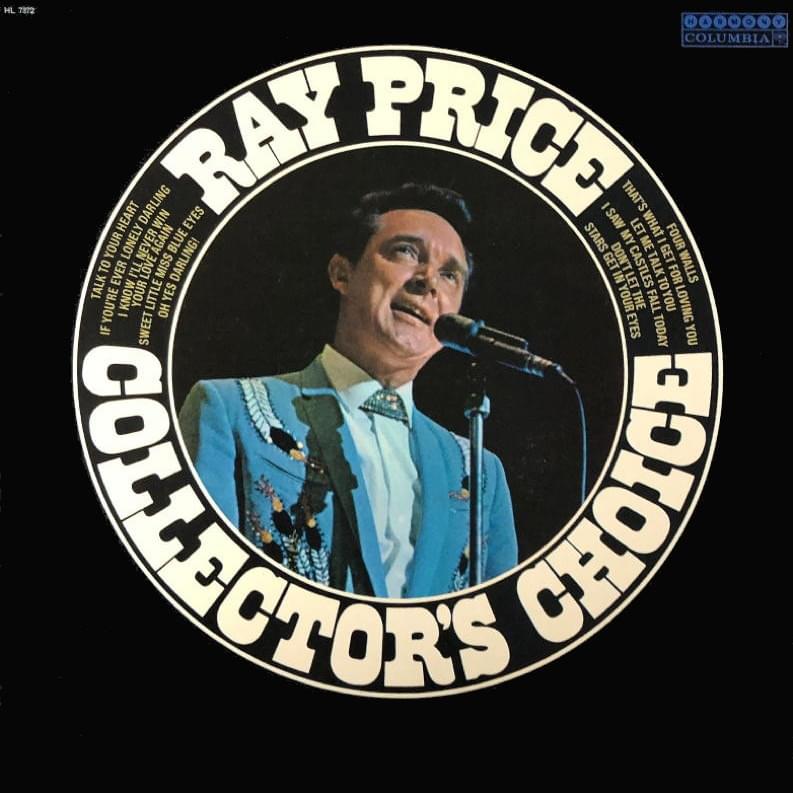
Ray Price's "Four Walls" isn't just a country ballad; it's a masterclass in sonic claustrophobia. The lyrics paint a stark picture of isolation and obsessive longing, where the singer is trapped not just by physical walls, but by the psychological confines of unrequited love. The repetition of "Four walls to hear me, four walls to see" acts as both a lament and a mantra, underscoring the feeling of being watched, judged, and ultimately, unheard. The walls themselves become a character, a silent witness to the singer's spiraling emotions. The bright lights and overflowing wine of the outside world—where the object of affection is free and unburdened—only serve to amplify the darkness within those four walls. It's a classic 'grass is greener' scenario, but with a distinctly melancholic twist. The singer acknowledges the allure of freedom, yet remains tethered to the hope of a fleeting moment of connection.
The song's emotional core lies in the tension between self-awareness and self-destruction. The line "I'm made for love, not for hating" suggests a desire for something more fulfilling, yet the singer willingly chooses to remain in this state of suspended animation. The act of listening for "steps in the hallway" and waiting for "your knock on the door" becomes a ritualistic form of self-inflicted pain. It's a love that borders on addiction, where the brief high of "one night with you is like heaven" justifies the ongoing suffering and confinement. Price expertly conveys the internal conflict of someone who knows they deserve better, but is unable to break free from the magnetic pull of an unhealthy attachment.
Ultimately, the song meaning of "Four Walls" resides in its exploration of the human tendency to create our own prisons. While the physical setting contributes to the sense of entrapment, it's the singer's emotional dependence that truly keeps them confined. The walls, in this context, are a metaphor for the barriers we erect around ourselves – the fear of vulnerability, the unwillingness to let go, and the persistent hope that things will change despite all evidence to the contrary. It's a raw, honest portrayal of the darker side of love, where longing can become a form of imprisonment. Ray Price delivers this meaning with a vocal performance that is both haunting and deeply affecting, solidifying "Four Walls" as a timeless exploration of loneliness and desire.
 View Artist