Song Meaning
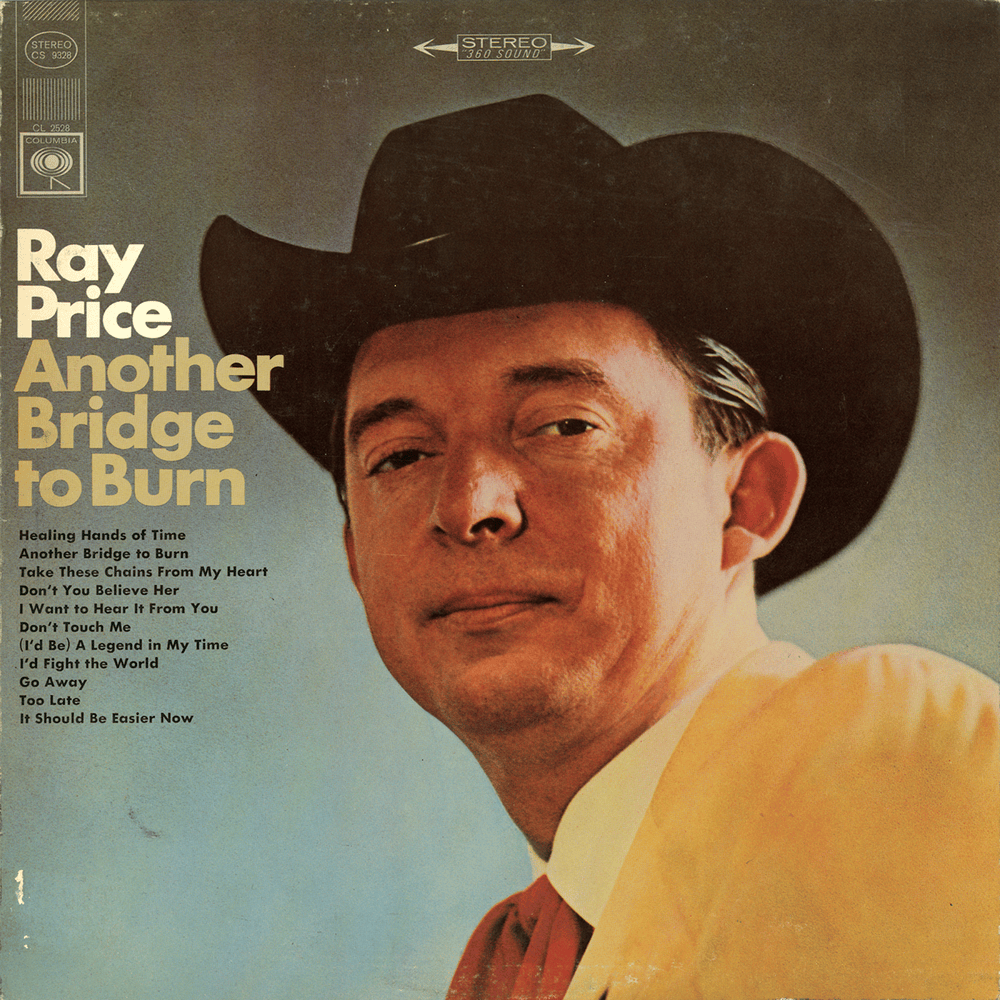
Ray Price's "Another Bridge to Burn" isn't just a country lament; it's a masterclass in self-preservation disguised as heartbreak. The song's central metaphor, the 'burned bridge,' speaks volumes about a repeated pattern of love and loss, suggesting a protagonist who's become almost tragically accustomed to romantic disappointment. He isn't merely sad; he's resigned, viewing each relationship as a structure destined for immolation. The opening lines, 'I've had to burn most every bridge I've crossed / It seems like evertime I've loved I'd lost,' establish this cyclical nature, painting a picture of someone perpetually dismantling connections to avoid further pain. It's a defense mechanism, albeit a destructive one.
The core tension of "Another Bridge to Burn" lies in the juxtaposition of hope and resignation. When he meets his latest love, there's a fleeting belief that 'the time would turn,' hinting at a yearning for lasting connection. But the swift descent into 'another bridge to burn' reveals a deeply ingrained pessimism. The lyrics subtly suggest that the speaker anticipates the relationship's failure, perhaps even unconsciously contributing to it. This isn't simply about blaming a partner; it's about acknowledging a personal history that predisposes him to heartbreak. The line 'Sometimes one must love enough for two and that's how it's been with me and you' hints at an imbalance, where the speaker is trying to compensate for a lack of reciprocation, ultimately leading to the relationship's demise.
Ultimately, "Another Bridge to Burn" explores the psychological toll of repeated heartbreak. Price's rendition conveys a world-weariness, a sense of having built and destroyed too many emotional structures. The 'match' he's about to light isn't just symbolic of ending a relationship; it's about severing ties with a part of himself that still dares to hope. The steel guitar and fiddle underscore the melancholy, but it's the understated acceptance in Price's voice that truly drives home the song's poignant message about love, loss, and the enduring human need to protect oneself, even at the cost of potential happiness. The song meaning resides not just in the lyrics, but in the emotional weight carried by the performance itself.
 View Artist