Song Meaning
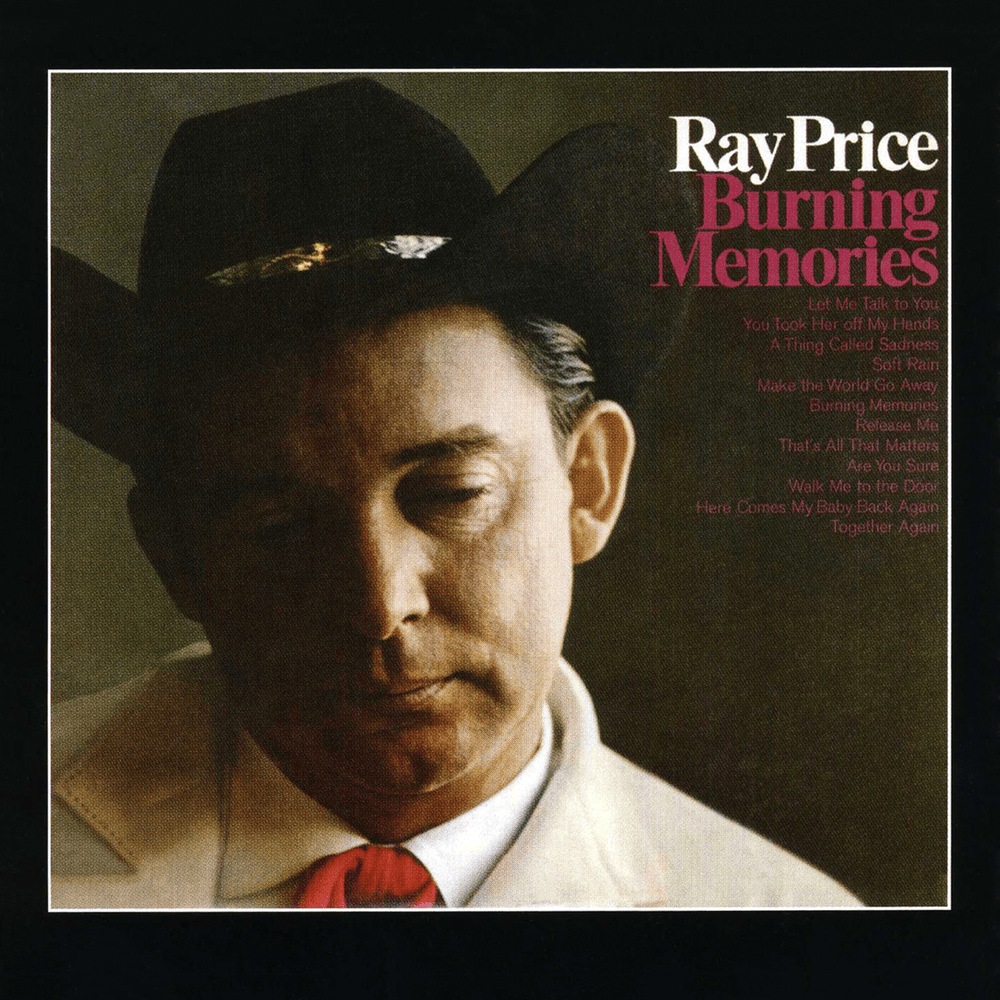
Ray Price's "A Thing Called Sadness" isn't just a country lament; it's a masterclass in personified emotion. The brilliance here lies in the simple, almost childlike, way Price frames the all-consuming nature of grief. Sadness isn't an abstract feeling; it's a constant, unwelcome houseguest, a shadow that occupies every space left vacant by a departed lover. The repetition of "A thing called sadness, not much of a friend, when you walked out it walked in" drills this point home with brutal efficiency. It's as if sadness itself is a character, a tangible presence that has moved into the narrator's life and refuses to leave. The listener viscerally understands the depth of the singer's isolation. It's deceptively simple songwriting that evokes a profound and relatable human experience.
The genius of the song meaning also resides in its claustrophobic depiction of grief. The lyrics trap the listener in a loop of memory and regret. "In every chair where I sit down, it follows me all over town" suggests that there is no escape, no distraction potent enough to break the hold of this pervasive sadness. Price masterfully conveys the feeling of being haunted by the past, of being unable to find solace or peace in the present. Even the mundane act of sitting down becomes a reminder of what's been lost, amplifying the sense of emptiness. The song avoids self-pity, instead focusing on the suffocating weight of this unwelcome companion.
Ultimately, "A Thing Called Sadness" resonates because it taps into the universal experience of heartbreak and loss. The song's power isn't in complex metaphors or flowery language, but in its stark, unadorned portrayal of grief as a constant presence. The question "What in the world am I gonna do, this old friend can't take the place of you" is less a plea for help and more a statement of resignation. It underscores the futility of trying to replace a lost love with mere sorrow. The song's enduring appeal lies in its ability to capture the essence of sadness not as a fleeting emotion, but as a relentless, inescapable fixture in the landscape of a broken heart.
 View Artist