Song Meaning
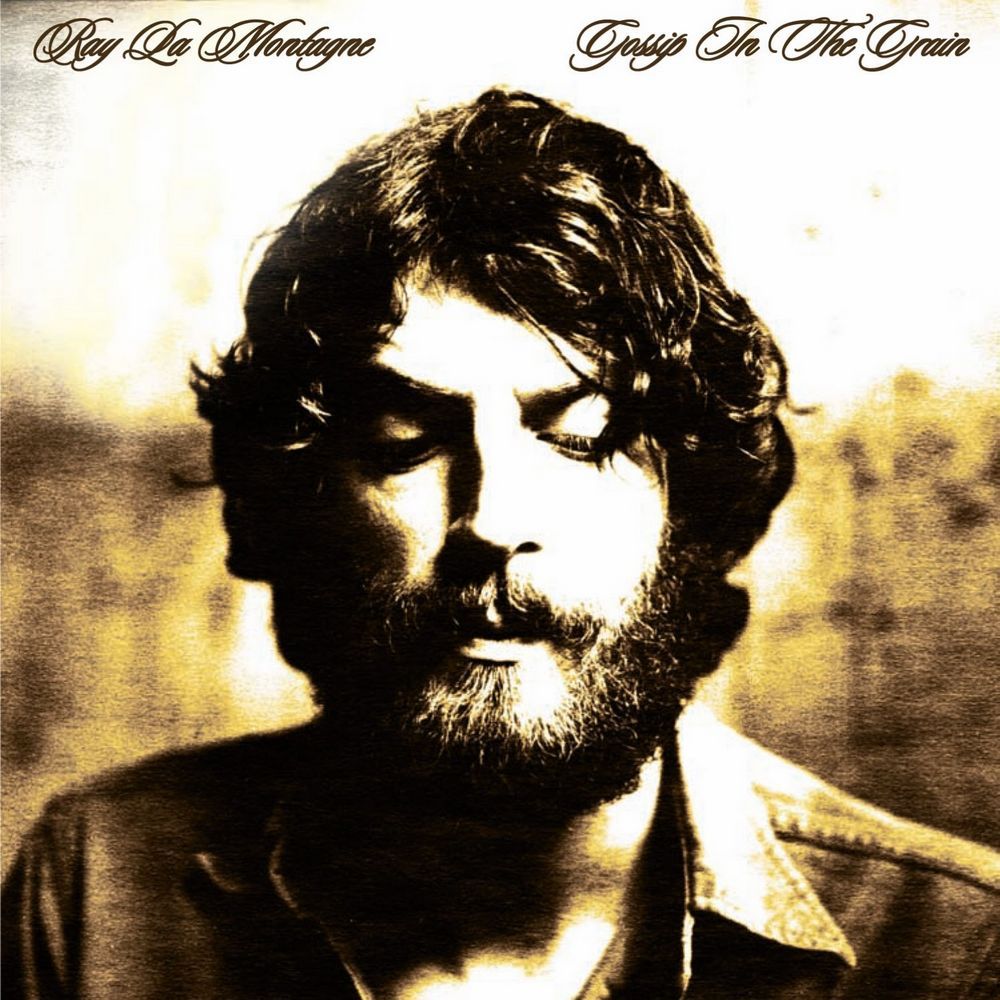
Ray LaMontagne’s "Gossip in the Grain" operates in the shadowy spaces between fable and confession, a tight lyrical maze that hints at societal decay and personal resignation. It’s a world populated by symbolic creatures—lazy jackstraws, gossiping sparrows, and callous crows—each embodying aspects of human failing. The 'gossip in the grain' itself suggests a pervasive corruption, a rot at the heart of things that even the smallest creatures are privy to. This isn't just idle chatter; it's a systemic breakdown of trust and integrity. The line 'Truth be beggar that holds his tongue / Dines on none, none but air alone' underscores the price of silence in such a climate: starvation, both literal and spiritual. To speak truth is to be ostracized, left to subsist on nothing. LaMontagne paints a stark picture of a society where honesty is a liability.
The refrain of 'Someday, someday / A snow shall fill the trees / You'd best make warm the eves' offers a chilling premonition. The coming snow is not merely a seasonal change, but an impending cataclysm, a moment of reckoning for a world drowning in deceit. The advice to 'make warm the eves' speaks to the need for preparation, both physical and emotional, in the face of inevitable hardship. But the repetition of 'Always a nevermind' suggests an overarching apathy, a refusal to heed the warnings. This is the psychological crux of the song: the tension between awareness of impending doom and the paralysis that prevents meaningful action.
Ultimately, "Gossip in the Grain," isn't just about external societal woes; it's a mirror reflecting our internal struggles with truth, denial, and the courage to confront uncomfortable realities. The song meaning resonates in its exploration of why we often choose comfort over conviction, and the consequences of that choice. LaMontagne avoids easy answers, instead, leaving us to grapple with the unsettling implications of a world where gossip thrives and truth starves.
 View Artist