Song Meaning
The narrator lays down a stark ultimatum, flipping the script on a past relationship where they were the one doing the weeping. The opening lines, "I cried for you / Now it's your turn to cry over me," immediately establish a sense of earned retribution. This isn't just a plea for attention; it's a declaration that the emotional debt is now due, and the tables have decisively turned.
The core tension here is the narrator's transition from a state of vulnerability to one of empowered indifference. They acknowledge their past foolishness – "what a fool that I used to be" – but frame it as a necessary prelude to their current, more stable emotional footing. The repetition of finding "a love just a little bit truer" and "a heart just a little bit newer" underscores this growth, suggesting a deliberate and successful effort to move beyond the pain.
The most striking aspect of the craft is the simple, almost childlike directness of the central refrain, "I cried for you / Oh, it's your turn to cry over me." This stark contrast between past suffering and present expectation creates a powerful emotional punch. The repeated assertion of finding something better, "a little bit truer," acts as a justification for this demand, making the narrator's current stance feel less like spite and more like a natural consequence of their own healing and growth.
Ultimately, these lyrics resonate because they tap into a universal desire for balance after experiencing heartbreak. The narrator's journey from tears to a demand for tears from their former partner is a potent expression of reclaiming agency. It's the sound of someone who has weathered the storm and is now standing firm, no longer asking for sympathy but stating a simple, undeniable truth about emotional reciprocity.
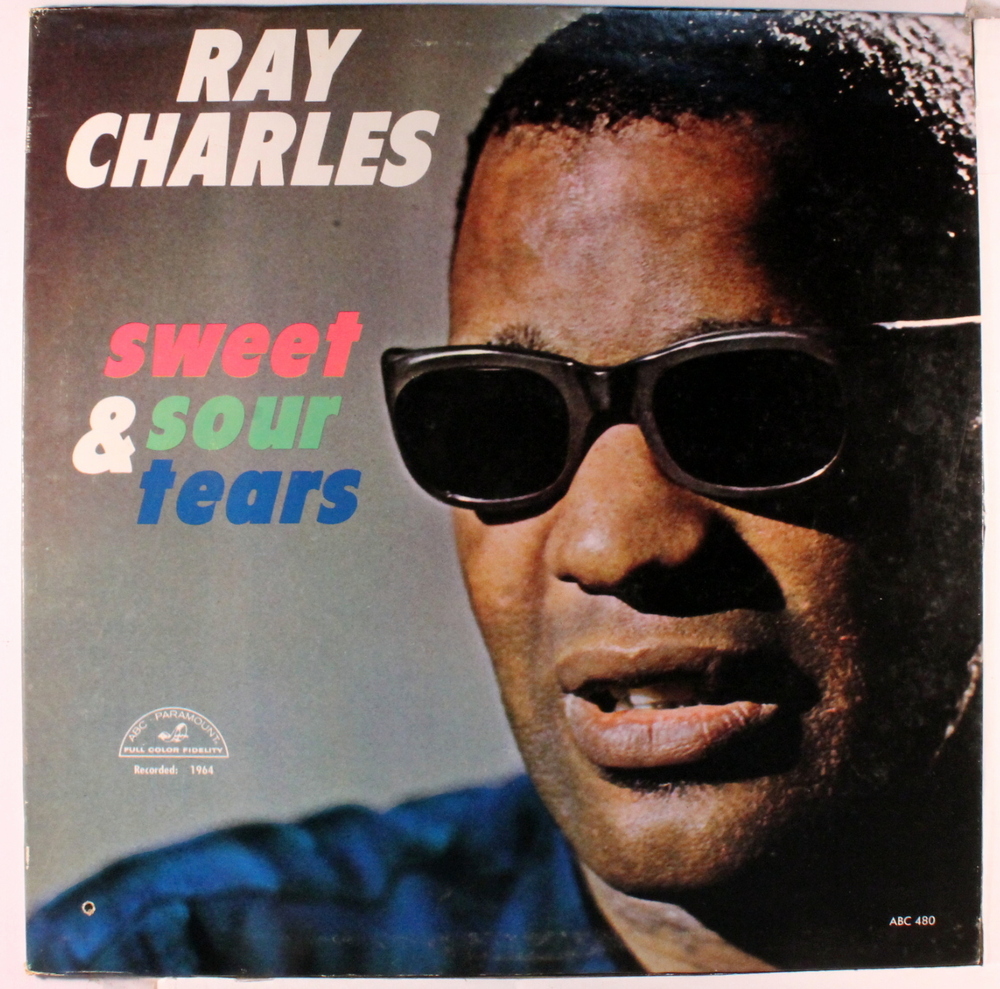
 View Artist