Song Meaning
The narrator insists they're not crazy, despite what others think, because they possess a secret knowledge of an impending, catastrophic event. This isn't just a personal revelation; it's framed as a universal truth that others are blind to. The lyrics paint a picture of a world on the brink, where the narrator sees the signs while everyone else remains oblivious, caught in a state of denial or ignorance. The phrase "one up on you" immediately establishes a sense of superiority rooted in this foresight.
The core tension lies in the narrator's isolation with their prophetic vision versus the world's willful blindness. They understand that this moment is simultaneously an "end" and a "beginning," a paradox that eludes the uninitiated. The repeated lines about "nobody knows" emphasize this disconnect, highlighting a profound chasm between the narrator's awareness and the general populace's inability to perceive the unfolding doom. This creates a feeling of desperate urgency, knowing what's coming but being unable to convince anyone.
The most striking craft element is the persistent, almost incantatory repetition of "Nobody knows it's the end / No-one knows it's the beginning." This refrain acts as a constant reminder of the shared ignorance and the impending, dual-natured apocalypse. The imagery of "unholy fire" and "cauterizing light" offers a visceral, almost biblical sense of destruction and purification, suggesting a transformative event that will be both terrifying and, in a strange way, illuminating once it's too late. The phrase "open season" adds a chilling layer, implying a loss of control and a descent into chaos.
This lyrical construction is effective because it taps into a primal fear of the unknown and the frustration of being unheard. The narrator's conviction, juxtaposed with the world's apparent complacency, creates a powerful sense of dramatic irony. The cyclical nature of the chorus, combined with the escalating sense of dread, makes the listener feel the weight of this foreknowledge, even if they don't fully grasp the specifics of the "Armageddon" being described. It’s the feeling of witnessing a slow-motion disaster that only one person can truly see.
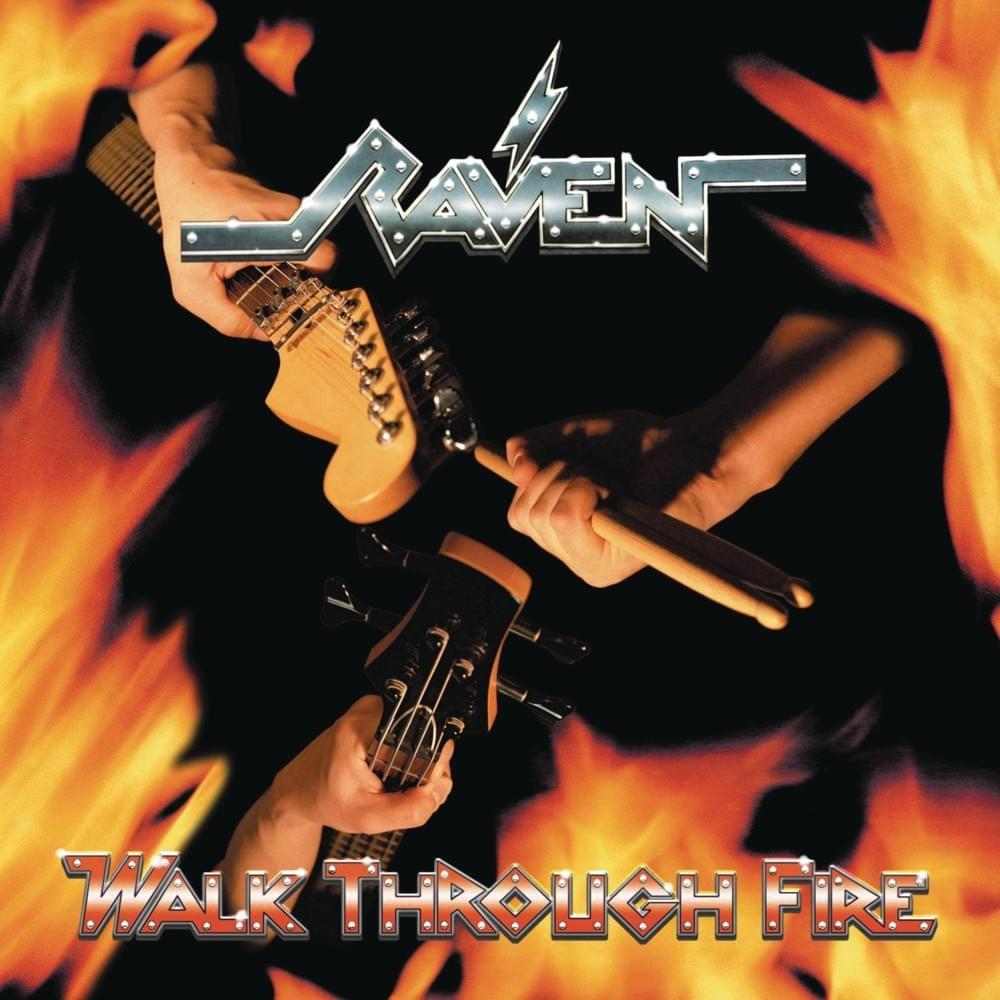
 View Artist