Song Meaning
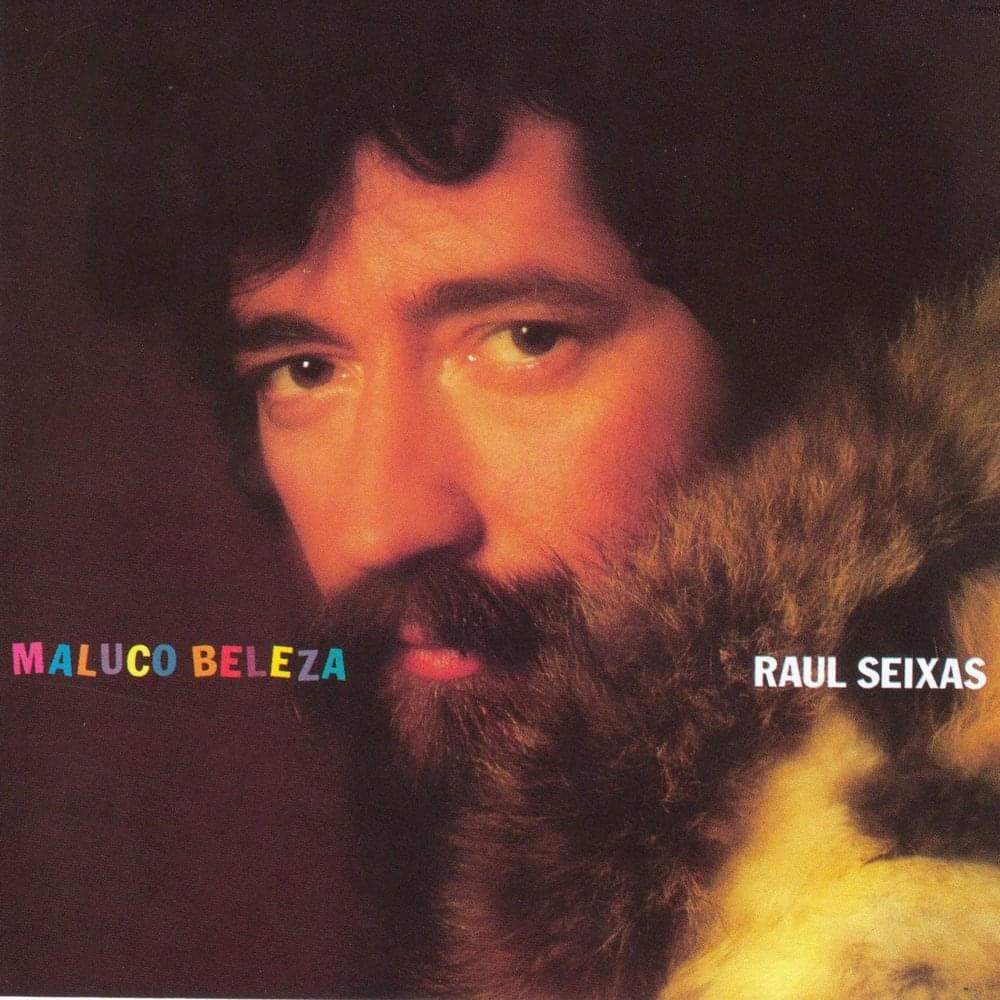
Raul Seixas's "Maluco Beleza" isn't just a song; it's a defiant manifesto for individuality. In a world that relentlessly pressures conformity, Seixas stakes his claim on the liberating power of embracing one's inner "loco." The lyrics contrast the exhausting effort of striving for normalcy ("Enquanto você se esforça pra ser / Um sujeito normal e fazer tudo igual") with the conscious decision to cultivate a particular brand of controlled madness. It's not about chaotic abandon, but rather a deliberate act of self-discovery through the lens of eccentricity. The song meaning resides in this tension: the push-and-pull between societal expectations and the alluring freedom of non-conformity.
The recurring lines about "controlando a minha maluquez / Misturada com minha lucidez" are crucial. Seixas isn't advocating for unbridled lunacy. Instead, he proposes a carefully calibrated blend of madness and reason. This speaks to a deeper psychological truth: that true creativity and innovation often spring from the fringes of conventional thought. The "Maluco Beleza" isn't simply crazy; he's someone who has learned to harness the power of unconventional thinking while maintaining a grip on reality. He's not rejecting lucidity, but augmenting it with the daring of a 'beautiful madman'.
The seemingly simple chorus, "Vou ficar / Ficar com certeza, Maluco Beleza," becomes an anthem of self-acceptance. It's a declaration of intent, a refusal to be molded by external pressures. The repetition reinforces the commitment, solidifying the identity of the "Maluco Beleza" as not just a temporary state, but a chosen way of being. The ease with which Seixas sings about his chosen path ("É tão fácil seguir por não ter onde ir") suggests a certain liberation in relinquishing the need for external validation. By embracing his unique brand of "madness," he finds freedom in a world obsessed with fitting in. Ultimately, the song's enduring appeal lies in its empowering message: dare to be different, dare to be a "Maluco Beleza."
 View Artist