Song Meaning
The lyrics paint a stark picture of impending doom, directly addressing "México, México" with a plea to "No vayas por ahí" (Don't go that way). There's a palpable sense of threat, with the narrator warning that "El mundo es único" (The world is unique) and that "Nos quieren derretir" (They want to melt us). This immediate, almost desperate tone sets a scene of vulnerability against an unseen, powerful force.
The central tension revolves around a looming catastrophe, personified as "La lluvia negra" (The black rain), which is both arriving and settling. The narrator expresses a desire to escape this fate, stating "El siglo ventidos no quiero verte ahí" (The twenty-second century, I don't want to see you there), suggesting a fear of a future irrevocably damaged. The rain is not just coming, it "queda para mí" (stays for me), indicating a personal and inescapable burden.
The most striking element is the contrast between the collective "México, México" and the intensely personal "queda para mí." The lyrics also highlight social disparity with the lines "Los pobres no se velan / No hay velas para tí" (The poor don't have wakes / There are no candles for you), suggesting that even in the face of this overwhelming darkness, the marginalized are left without solace or recognition. The repetition of "México, México" acts as both an invocation and a desperate cry.
This writing is effective because it grounds abstract fears in concrete, albeit metaphorical, imagery like "black rain." The direct address to Mexico creates an intimate, urgent feel, while the shift to personal pronouns like "me" and "tí" amplifies the sense of individual suffering within a larger crisis. It's a raw, urgent warning that feels both specific and deeply unsettling.
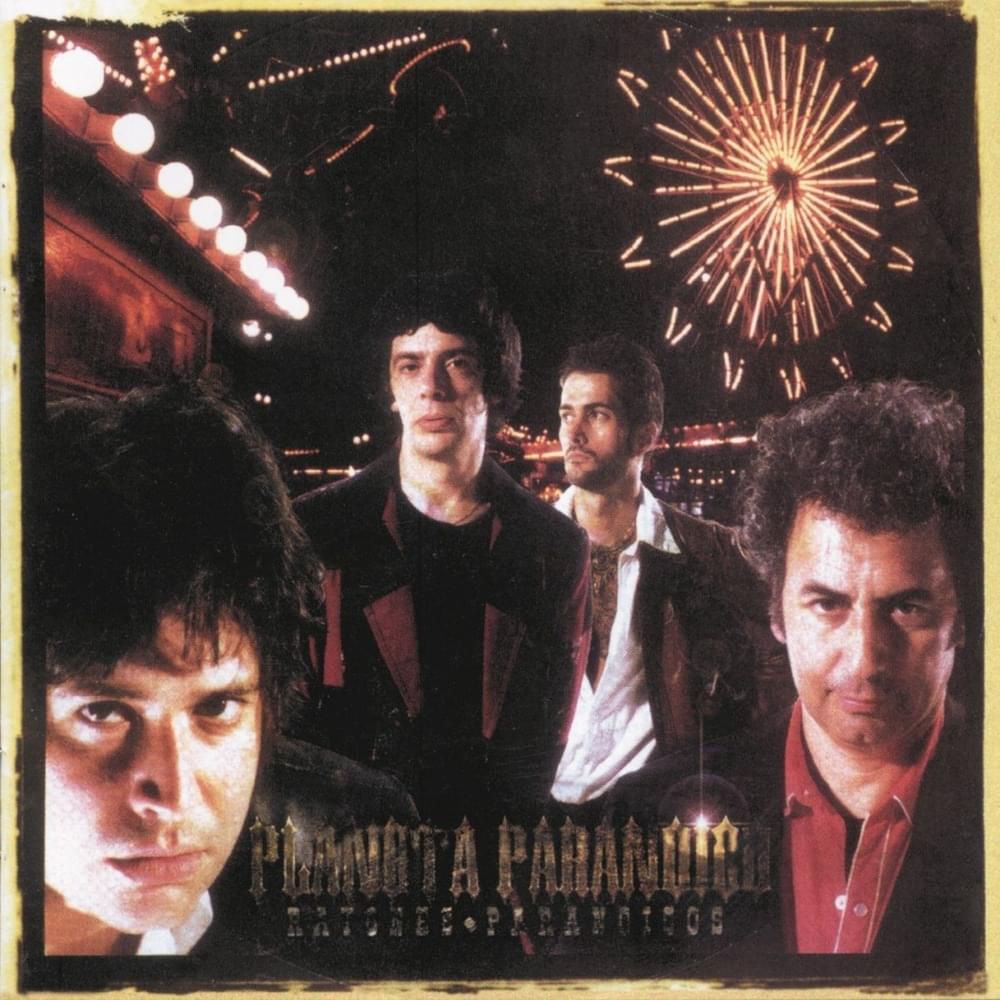
 View Artist