Song Meaning
The lyrics paint a picture of isolation amidst apparent festivity. The narrator observes "mucho risa por aquí" (lots of laughter here) but immediately counters, "pero ninguna es para mí" (but none is for me), establishing a stark emotional distance. This feeling is amplified by the image of "la espuma sobre el cristal" (the foam on the glass), suggesting a barrier or a fleeting, perhaps alcoholic, haze that separates the narrator from genuine connection.
The central tension arises from the narrator's internal state versus their external actions or intentions. Despite being "lleno de problemas" (full of problems), they are drawn to a specific scenario: a beach with a model who "quiere empezar" (wants to start). This desire to engage, however, is framed by a disturbing, almost predatory, impulse: "Yo cambio de forma para atacar" (I change shape to attack). The repetition of "para atacar" underscores the intensity of this urge, hinting at a destructive or aggressive intent beneath the surface.
The most striking element is the phrase "cambio de forma para atacar." This isn't just about a mood shift; it suggests a literal or metaphorical transformation undertaken with hostile purpose. It implies a readiness to adapt and strike, a primal response to their perceived alienation. The spoken interjection, "Me pasé, me pasé" (I went too far, I went too far), arrives after the repeated declaration of attack, perhaps indicating a moment of self-awareness or regret about the intensity of this impulse, or a realization that the transformation has already occurred and crossed a line.
This lyrical construction is effective because it juxtaposes a relatable feeling of social exclusion with a deeply unsettling, almost monstrous, internal drive. The contrast between the desire for connection (going to the beach with someone ready to start) and the violent transformation ("cambio de forma para atacar") creates a disquieting psychological portrait. The ambiguity of "cambio de forma" leaves the listener to ponder whether this is an internal psychological shift, a defensive mechanism, or something more literal, making the narrator's isolation feel both profound and dangerous.
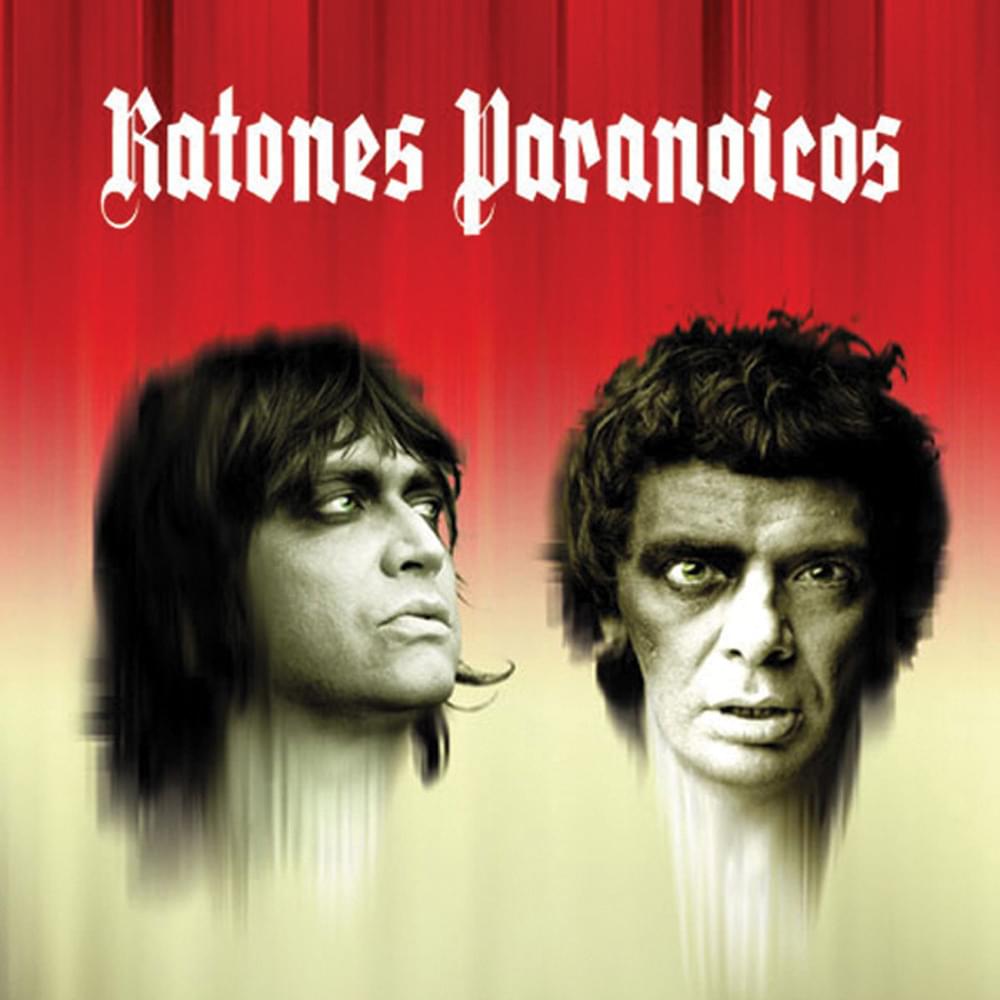
 View Artist