Song Meaning
The lyrics paint a picture of a life lived on autopilot, a predictable routine where mornings arrive with a sense of foregone conclusion. The narrator observes someone going through the motions – work, dinner, falling asleep in front of the TV – a cycle that's not inherently wrong but feels stagnant. This quiet observation sets the stage for a gentle, yet insistent, plea for change.
The central tension arises from the contrast between the comfort of the familiar and the potential for something more. The narrator acknowledges the lack of explicit fault in the current existence, stating "Det are inget fel I det" (There's nothing wrong with that). Yet, the immediate follow-up, "Men jag skulle tnka om / Om jag vore du" (But I would think again / If I were you), introduces a powerful undercurrent of dissatisfaction and the suggestion that a life without conscious choice, even if safe, is a life unlived.
The most striking element is the direct invitation, "kom med mig" (come with me), repeated like a mantra. This isn't just a suggestion; it's an offer of escape, a promise of a different reality. The lyrics emphasize freedom and agency: "Du har ingen att ta hnsyn till / Du kan gra precis som du vill" (You have no one to consider / You can do exactly as you want). The rhetorical question, "Vem har sagt att du ska leva som alla andra gr" (Who said you have to live like everyone else does), directly challenges societal norms and the passive acceptance of a predetermined path.
This piece resonates because it taps into a universal yearning for a life that feels more authentic and self-directed. The simple, direct language and the repeated call to action create a sense of urgency and possibility. It's an encouragement to break free from the mundane, to open one's eyes, and to pursue what truly sparks joy, suggesting that the greatest adventure might be just beyond the edge of the familiar routine.
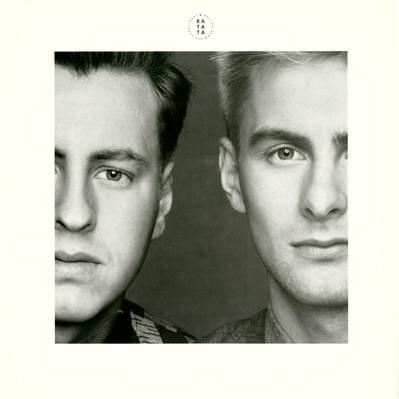
 View Artist