Song Meaning
The lyrics paint a stark picture of a young woman facing a future of repeated, unfulfilling social obligations. The repeated phrase "all tomorrow's parties" becomes a haunting refrain, suggesting an endless cycle of events she must attend. Her attire, described as a "hand-me-down dress" and "Thursday's rags," immediately signals a lack of personal agency and financial hardship, setting a somber tone for her prospects. The question of "what costume shall the poor girl wear" isn't about fashion, but about the identity she must perform for these future gatherings.
The central tension lies in the contrast between the expected gaiety of "parties" and the narrator's bleak reality. She's destined to be "Sunday's clown," a figure of ridicule or pity, particularly when "midnight comes around" or "Monday comes around." This cyclical transformation, from a potentially hopeful state to one of despair, is amplified by the imagery of "silks and linens of yesterday's gowns" juxtaposed with "Thursday's rags." It suggests a life built on outdated finery and worn-out remnants, never truly her own.
The most striking craft element is the personification of days of the week as a source of her identity and clothing. "Thursday's child is Sunday's clown" is a particularly potent line, linking a specific day's fate to a perpetual state of foolishness or sadness. The "blackened shroud" mentioned later, alongside the "hand-me-down gown," solidifies the sense of impending doom and a borrowed, somber existence. The lyrics repeatedly emphasize her passive role, crying "behind the door," highlighting her isolation within these supposed celebrations.
Ultimately, the effectiveness of these lyrics stems from their potent, almost allegorical, portrayal of a life devoid of genuine joy or self-determination. The repetitive structure and bleak imagery create a suffocating atmosphere, making the "poor girl's" predicament feel both specific and universally resonant in its depiction of societal expectations clashing with personal hardship. The final image of a "costume" that is "fine for one who sits and cries" encapsulates the tragic performance she is expected to maintain.
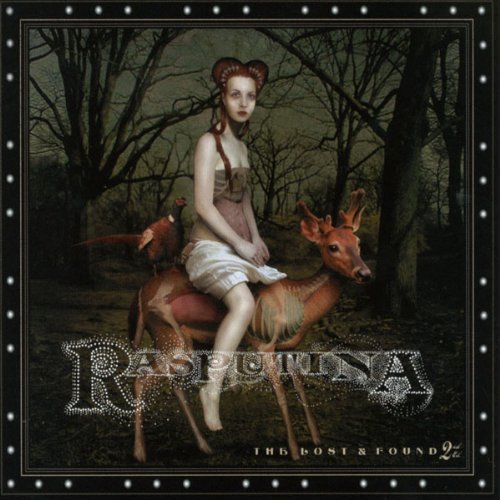
 View Artist