Song Meaning
The lyrics present a raw, almost pleading dialogue, seemingly directed at a paternal figure referred to as "Daddy." The opening lines establish a desire for deep understanding, asking if this figure has "ever seen into my heart." This yearning is immediately juxtaposed with a hopeful vision of a place where dreams come true and the soul can be renewed, suggesting an idealized inner world the narrator wishes to share or escape to. The repetition of the core question underscores a profound need for connection and validation.
The emotional core shifts dramatically with the introduction of "Hey man," introducing a critical perspective on the father's life choices. The narrator points out a stark contrast: a "good job" but a lost wife, implying a life of material success overshadowed by personal regret. This critique escalates into a direct confrontation, with the narrator urging the father to "Enjoy your fears" and demanding autonomy: "let me live my life / I wanna cry." This creates a powerful tension between the narrator's desire for self-expression and the perceived failures and fears of the parental figure.
The lyrics employ a striking shift in tone and address, moving from intimate vulnerability to blunt accusation. The repeated question "Have your ever seen into my heart" takes on a more desperate, almost accusatory quality as the narrator confronts the father's perceived mistakes. The final verse offers a glimmer of shared spiritual seeking with lines like "If there's god for you / A god for me," but it's immediately followed by the imperative "You gotta try," suggesting that even this shared hope requires effort and perhaps a change in the father's approach. The abrupt ending, returning to the insistent question of seeing into the heart, leaves the listener with a sense of unresolved conflict and a lingering plea for genuine connection.
This song's effectiveness lies in its unflinching portrayal of intergenerational conflict and the pain of unmet expectations. The direct, almost conversational language, punctuated by the insistent refrain, creates an immediate sense of raw emotion. The narrator's journey from seeking validation to asserting independence, while still grappling with the father's perceived shortcomings, captures a complex emotional landscape. The stark contrasts—dreams versus mistakes, success versus loss, the desire to cry versus the need to live—resonate deeply, making the plea for understanding feel both personal and universally understood.
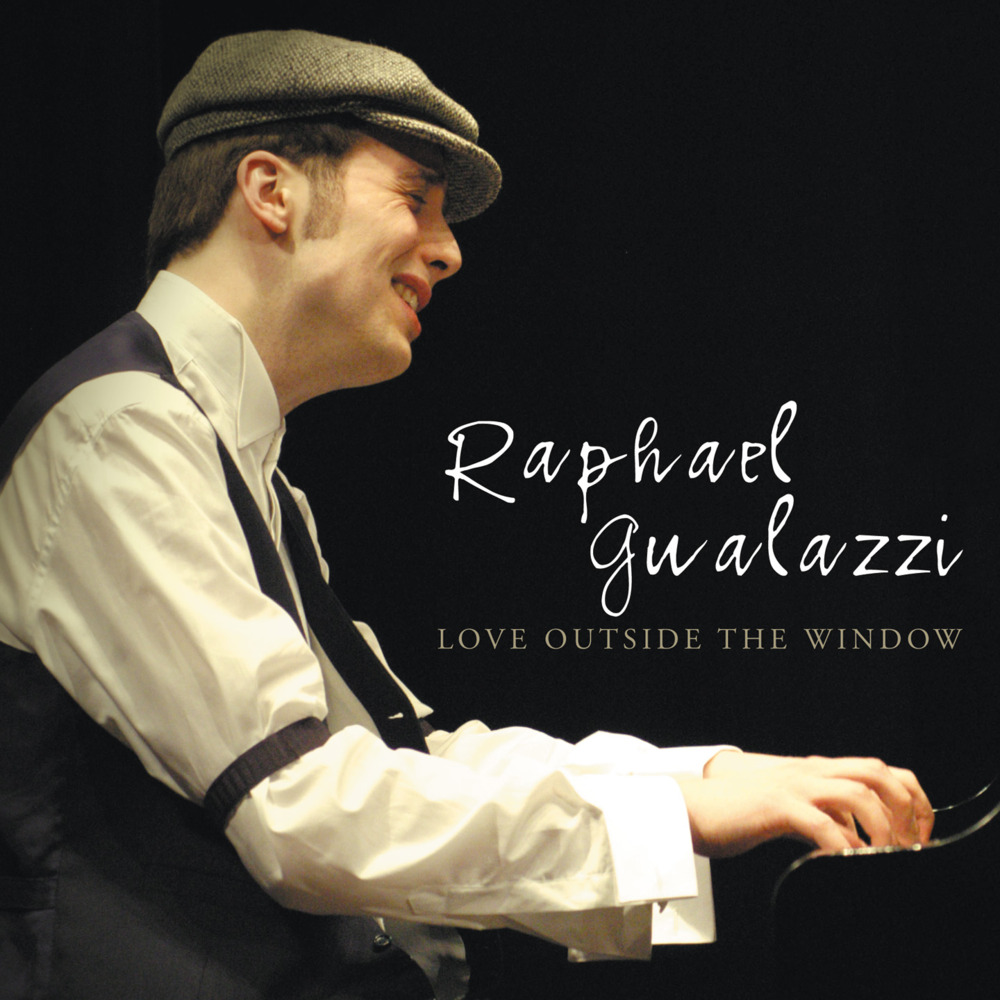
 View Artist