Song Meaning
Randy VanWarmer's "When I'm Dead and Gone" isn't a morbid meditation on mortality, but a surprisingly upbeat, almost flippant, request for joyful remembrance. The song, at its core, is a carefully constructed exercise in managing a legacy. It’s not about avoiding death, but about curating the emotional landscape that remains in its wake. VanWarmer's narrator explicitly rejects traditional mourning. He doesn't want tears or somber epitaphs; he wants the continuation of happiness, specifically "some happy woman livin' on." This isn't just about being remembered fondly, it's about the active pursuit of joy in his absence.
The second verse introduces a layer of complexity, hinting at a life perhaps lived on the edge. The mention of "Old Mama Linda" with a shotgun suggests romantic entanglements and potential consequences. The narrator's plea, "Who's got the love, who's got enough to keep a man like me," reveals a vulnerability beneath the bravado. He seems to acknowledge his own flaws and the potential for conflict they create, yet still desires to be loved and remembered positively. This juxtaposition of potential turmoil and a desire for uncomplicated joy after death is central to the song's meaning.
Ultimately, "When I'm Dead and Gone" is a request for grace. It’s about acknowledging the complexities of life – the loves, the potential conflicts, the inherent messiness – and still hoping for a legacy defined by happiness rather than sorrow. The song’s breezy melody and VanWarmer's smooth vocals further emphasize this desire, creating a sonic experience that encourages acceptance and a celebration of life, even in the face of its inevitable end. It's less a farewell and more a permission slip for those left behind to continue finding joy.
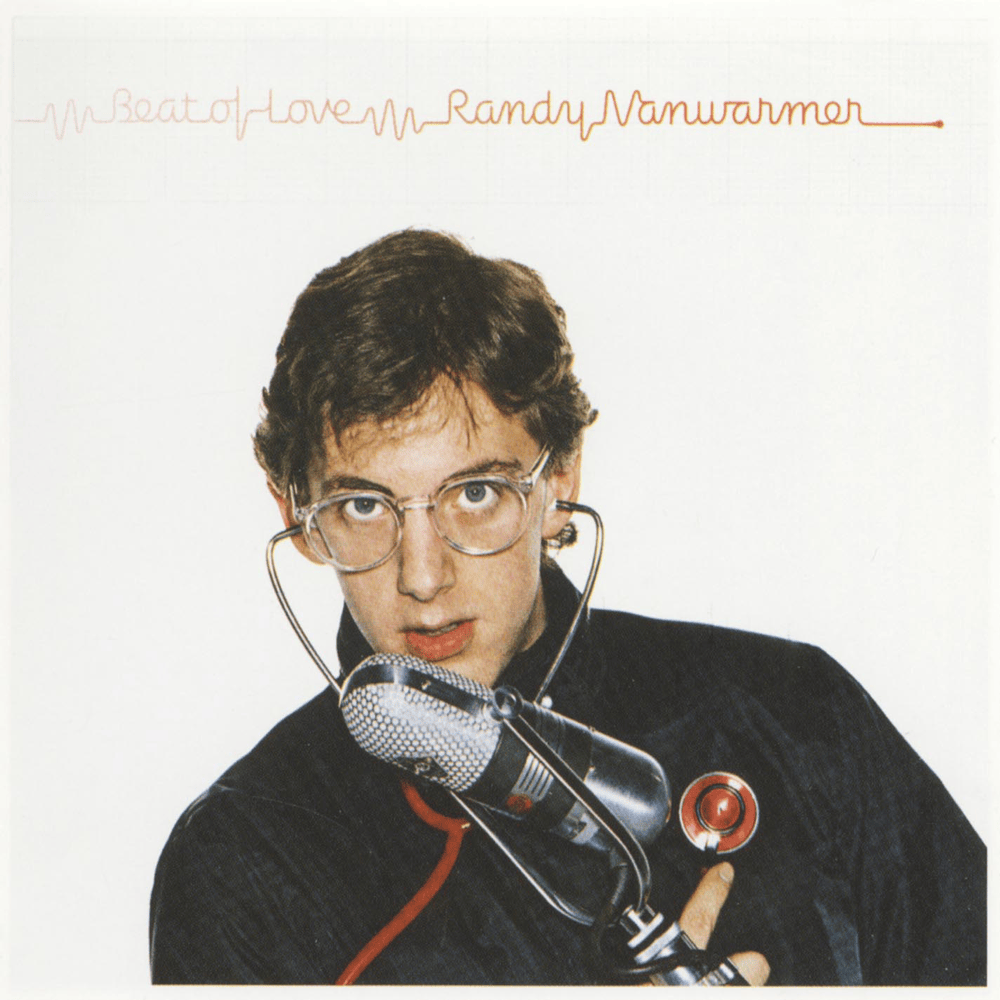
 View Artist