Song Meaning
Randy VanWarmer's "Losing Out On Love" isn't just a lament; it's a study in the agonizing asymmetry of desire. The stark repetition of the title phrase underscores the feeling of inevitability, a slow-motion train wreck where one partner watches helplessly as the other actively disengages. The core of the song meaning lies in the phrase "it's you who's choosing," which exposes the raw nerve of rejection. It's not a mutual fading; it's a conscious decision, a calculated withdrawal of affection. The narrator isn't just sad; he's grappling with the active agency of his lover in dismantling their bond. This shifts the emotional landscape from simple heartbreak to a more complex terrain of betrayal and powerlessness.
The lyrics hint at a desperate, almost pleading attempt to reignite a spark. "Is there some way to touch you? Don't you feel something for me?" These lines are delivered not as accusations, but as vulnerable queries, reflecting a last-ditch effort to circumvent the impending doom. He's not in denial; he *knows* something is there, or at least clings to the belief that it is, refusing to accept the finality of the rejection. This internal conflict—knowing the truth yet fighting against it—adds a layer of psychological depth to the song. The repetition of "So you feel that love is something both of us could use" is particularly poignant. It suggests a shared recognition of love's value, yet a fundamental disagreement on whether it's still viable *between them*. It's a cruel paradox: both parties acknowledge the need for love, but one actively chooses to seek it elsewhere.
Ultimately, "Losing Out On Love" resonates because it captures the isolating experience of being the one left behind. It's a portrait of heartbreak amplified by the awareness that the loss is not accidental but intentional. VanWarmer's song isn't just about the end of a relationship; it's about the painful realization that love, in its most devastating form, can be a unilateral act of abandonment. The quiet desperation embedded within the lyrics transforms a simple ballad into a poignant exploration of love's inherent vulnerabilities and the psychological toll of being actively, consciously unloved.
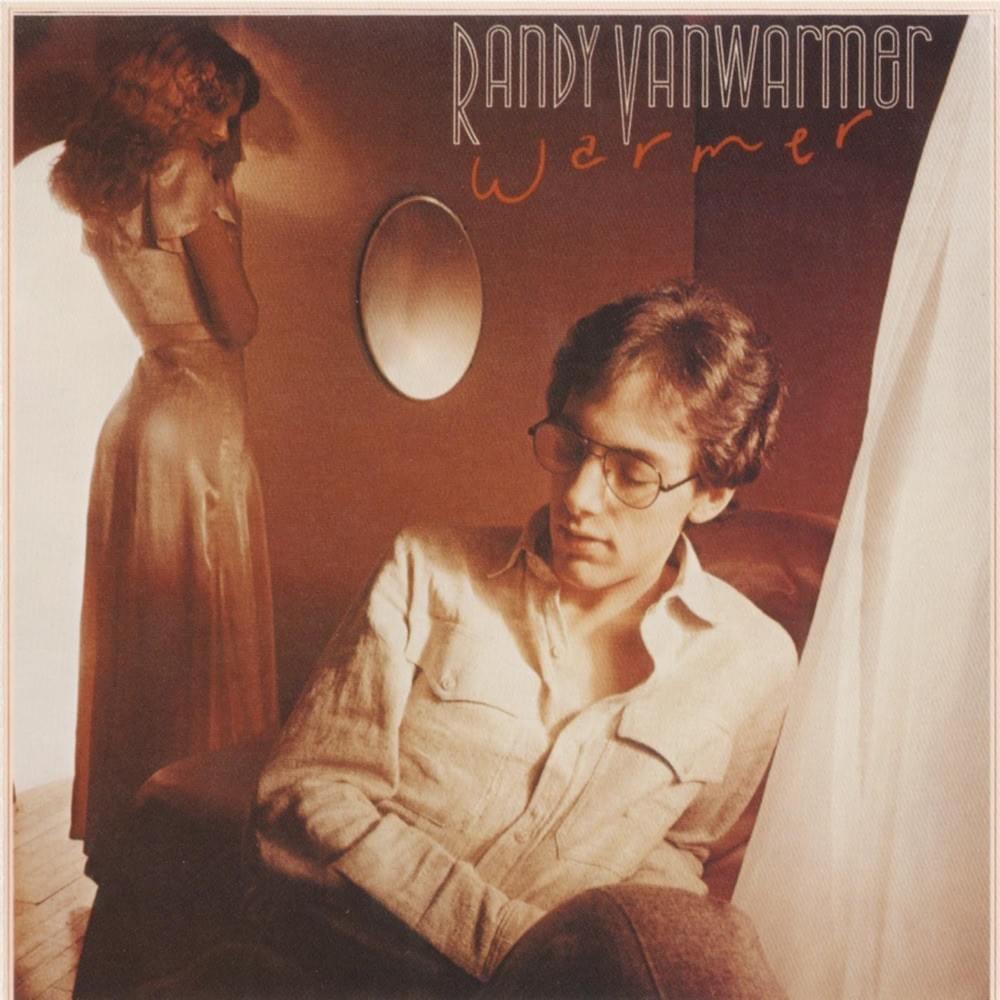
 View Artist