Song Meaning
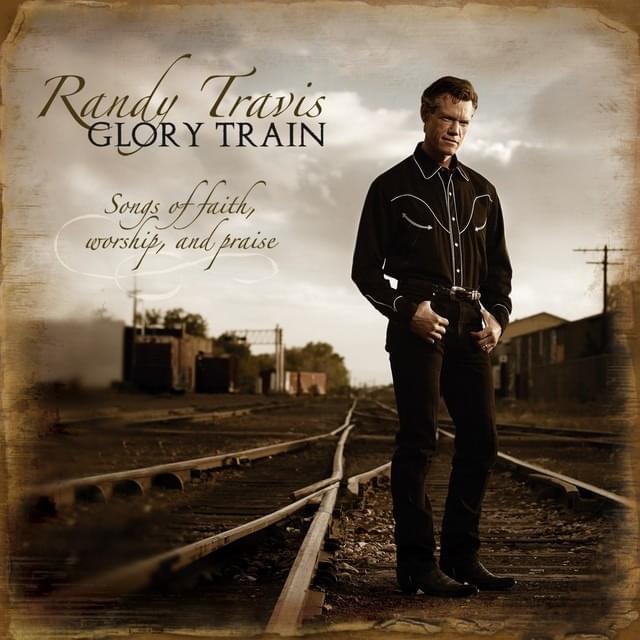
Randy Travis's "Shout To The Lord" isn't just a gospel song; it's an exercise in psychological surrender. The lyrics strip away ego, replacing it with a raw, almost desperate need for a higher power. The opening lines, "My Jesus, my Savior, Lord, there is none like You," bypass theological debate and tap directly into a primal craving for security and admiration. It's the human need to be held, amplified and projected onto a divine figure. The song's power lies in its simplicity, turning complex religious doctrine into a personal, easily accessible form of emotional catharsis. Travis, known for his signature baritone and country storytelling, allows the song's devotional core to shine.
The second verse moves from praise to dependence: "My Comfort, my Shelter, Tower of refuge and strength." These aren't abstract concepts; they are direct appeals to the listener's need for safety and stability. The phrase "Let every breath, all that I am, Never cease to worship You" suggests a complete merging of identity with the object of worship. This isn't just about faith; it's about the dissolution of the self into something larger, a common theme in both religious and secular forms of transcendence. The 'tower of refuge' provides safety in times of trouble, a concept easy to grasp, forging a personal connection.
The chorus, a soaring declaration of faith, invites collective participation: "Shout to the Lord, All the earth, let us sing." This shared experience reinforces the individual's commitment, creating a powerful sense of belonging. The imagery of "Mountains bow down and the seas will roar" evokes a sense of awe and submission, dwarfing human concerns in the face of divine power. The final lines, "Nothing compares to the promise I have in You," highlight the ultimate reward: a sense of hope and certainty in an uncertain world. It's a transaction, trading earthly anxieties for the promise of eternal love and security, a psychological bargain that resonates deeply within us.
 View Artist