Song Meaning
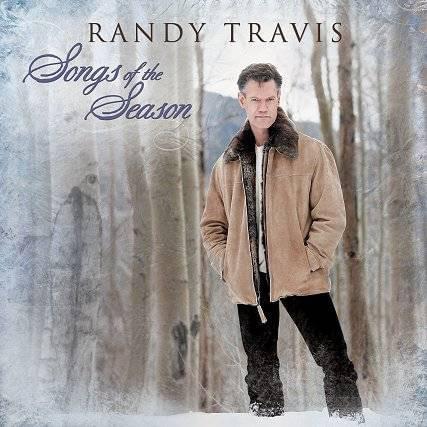
Randy Travis's rendition of "O Holy Night" isn't just a Christmas carol; it's a masterclass in emotional and spiritual yearning. The song's power lies in its ability to tap into the collective human desire for redemption, using the Nativity story as a springboard. The opening lines set a scene of celestial wonder, but quickly move beyond simple description. The "world in sin and error pining" speaks to a deeper, almost existential angst, a feeling of being lost and incomplete that resonates far beyond any specific religious context. It's a powerful invocation of shared human vulnerability. The lyrics suggest that the arrival of the "Saviour" doesn't just offer salvation in a religious sense, but also a profound sense of self-worth. This speaks to the psychological impact of feeling seen and valued, a fundamental human need.
The second verse moves from personal redemption to social justice. The lines about breaking chains and ending oppression are not mere platitudes. They are a call to action, framing love and peace not just as religious ideals but as active forces for societal change. The idea of the "slave" as "our brother" is particularly striking, challenging listeners to confront their own complicity in systems of inequality. In this context, "O Holy Night" becomes less about passive worship and more about actively working towards a more just and compassionate world. Travis's performance history reinforces this, given his own struggles and triumphs; the song carries extra weight.
Ultimately, the genius of "O Holy Night," especially as interpreted by an artist like Randy Travis, lies in its multi-layered meaning. It functions as a traditional carol, of course, but also as a powerful statement about the human condition, our capacity for both great love and profound injustice, and the enduring hope that things can, and should, be better. The repeated refrain to "fall on your knees" isn't just about religious submission; it's an invitation to humility, to recognizing our shared humanity and our collective responsibility to create a world worthy of the "night divine." The song’s staying power, amplified by artists across genres, proves its message transcends simple holiday cheer.
 View Artist