Song Meaning
Randy Travis's "Look Heart, No Hands" isn't just a country ballad; it's a distilled shot of pure, unadulterated nostalgia, chased with the bittersweet realization of adult dependence. The song taps into the primal joy of childhood freedom, specifically evoking the memory of reckless bike rides down that proverbial 'two mile hill.' This image serves as a powerful metaphor for the exhilarating, yet terrifying, experience of vulnerability in love. The 'tennis shoes up on the handle bars' represent a naive trust, a willingness to surrender control and embrace the unknown. It's a state of being where 'no doubts, no fears' cloud the horizon, a state only accessible when a specific person – the 'you' in the lyrics – is present. The listener can easily discern the song's meaning, as it is masterfully articulated through its vivid imagery.
The core of the song meaning resides in the repeated refrain: 'No chains, no strings, no fences, no walls / No net, just you to catch me when I fall / Look heart, no hands.' These lines dismantle the barriers we erect around our hearts as we age. The absence of 'chains,' 'strings,' 'fences,' and 'walls' signifies a liberation from emotional baggage and past hurts. The crucial element is the presence of a trustworthy partner, someone who acts as a safety net, allowing for the risk of emotional exposure. This isn't about childish recklessness; it's about the conscious choice to be vulnerable, knowing that there's someone reliable to soften the impact of a potential fall. The lyrics analysis reveals the true core of the song.
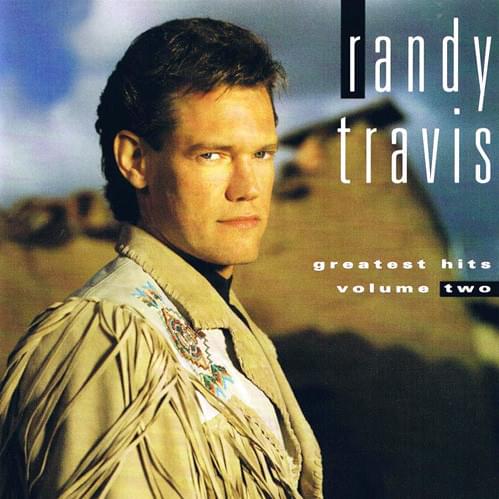
Ultimately, "Look Heart, No Hands" explores the transformative power of love to transport us back to a state of childlike wonder. The simple act of 'a smile or a touch' can trigger a regression, allowing us to momentarily shed our adult anxieties and embrace the present moment. The wind that the narrator can 'almost feel' is the same wind that rushed through their hair on that childhood bike ride – a symbol of unfettered joy and possibility. The song acknowledges the difficulty of achieving this state, noting that 'it took a little time to get up to speed / To find the confidence and strength I'd need / To just let go.' However, the reward – a fleeting return to innocence and trust – makes the effort worthwhile. Randy Travis beautifully encapsulates the human desire to recapture the feeling of uninhibited freedom, even if only for a moment, through the embrace of a loving partner.
 View Artist