Song Meaning
Randy Newman's "Old Man" (2016) isn't a sentimental farewell; it's a stark, almost brutal reckoning with mortality and the legacy of a particular kind of disillusioned father figure. The song meaning resides not in grief, but in the complex emotional landscape surrounding a death that feels both inevitable and, perhaps, a little too lonely. The narrator addresses the dying man directly, cutting through any potential for maudlin sentimentality with a clear-eyed assessment of his life and beliefs. The repetition of "Can you hear me?" underscores the isolation of the dying, a desperate attempt to connect in the face of impending oblivion. This isn't about seeking forgiveness or offering solace; it's about acknowledging a shared worldview, however bleak.
The lyrics suggest a relationship defined by a rejection of traditional comforts, specifically religious faith. "Won't be no God to comfort you / You taught me not to believe that lie" reveals a passing down of skepticism, a legacy of self-reliance perhaps born of hardship or disappointment. The narrator, seemingly a child or younger relative, internalizes this hard-won worldview. The line "You don't need anybody, nobody needs you" is particularly cutting, yet it carries a strange sort of respect. It's not necessarily an accusation, but rather an acceptance of the old man's chosen path, a life lived on his own terms, devoid of illusions.
Ultimately, "Old Man" is a meditation on the bleak realities of death, filtered through the lens of a non-traditional, perhaps even cynical, familial relationship. The narrator's final instruction, "Don't cry, old man, don't cry / Everybody dies," isn't meant to be comforting. Instead, it functions as a final, shared understanding, a blunt acknowledgment of the universal truth that binds them. Newman avoids easy sentimentality, opting instead for a raw, unsentimental portrayal of death and the complex emotional inheritance passed down through generations.
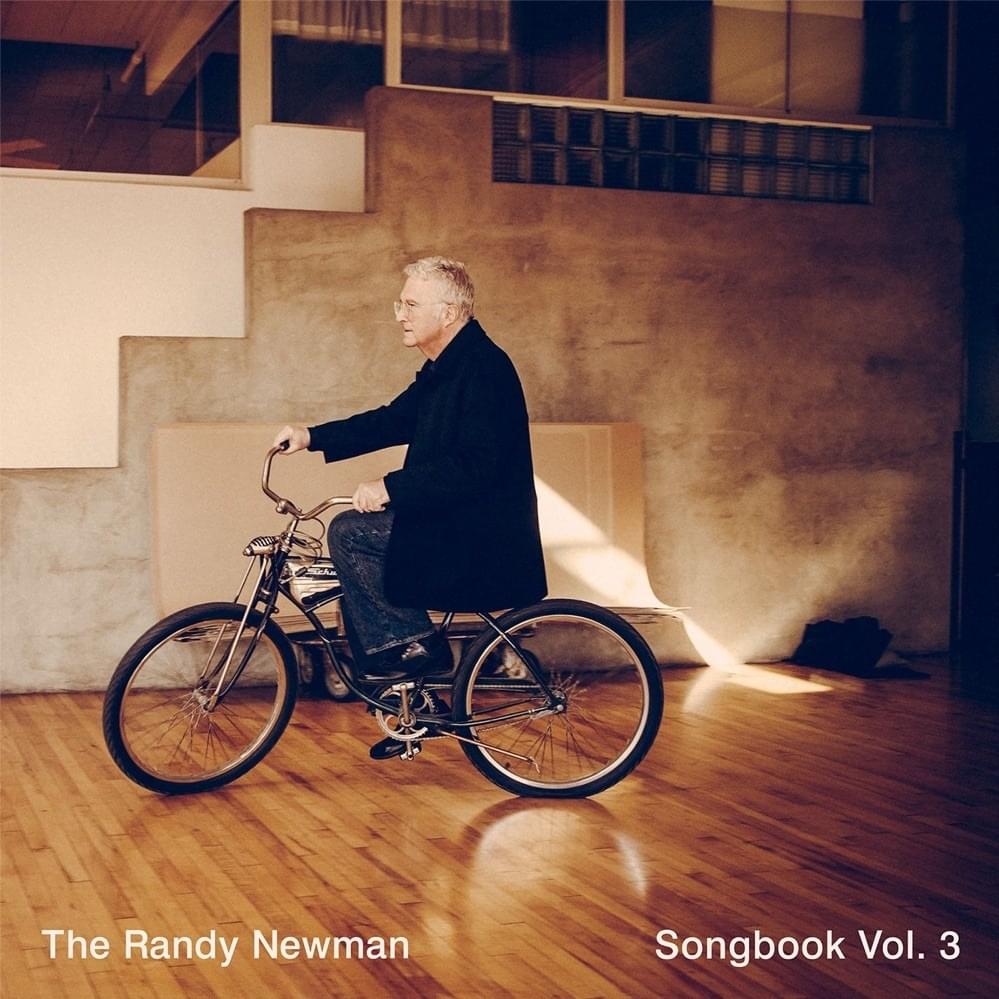
 View Artist