Song Meaning
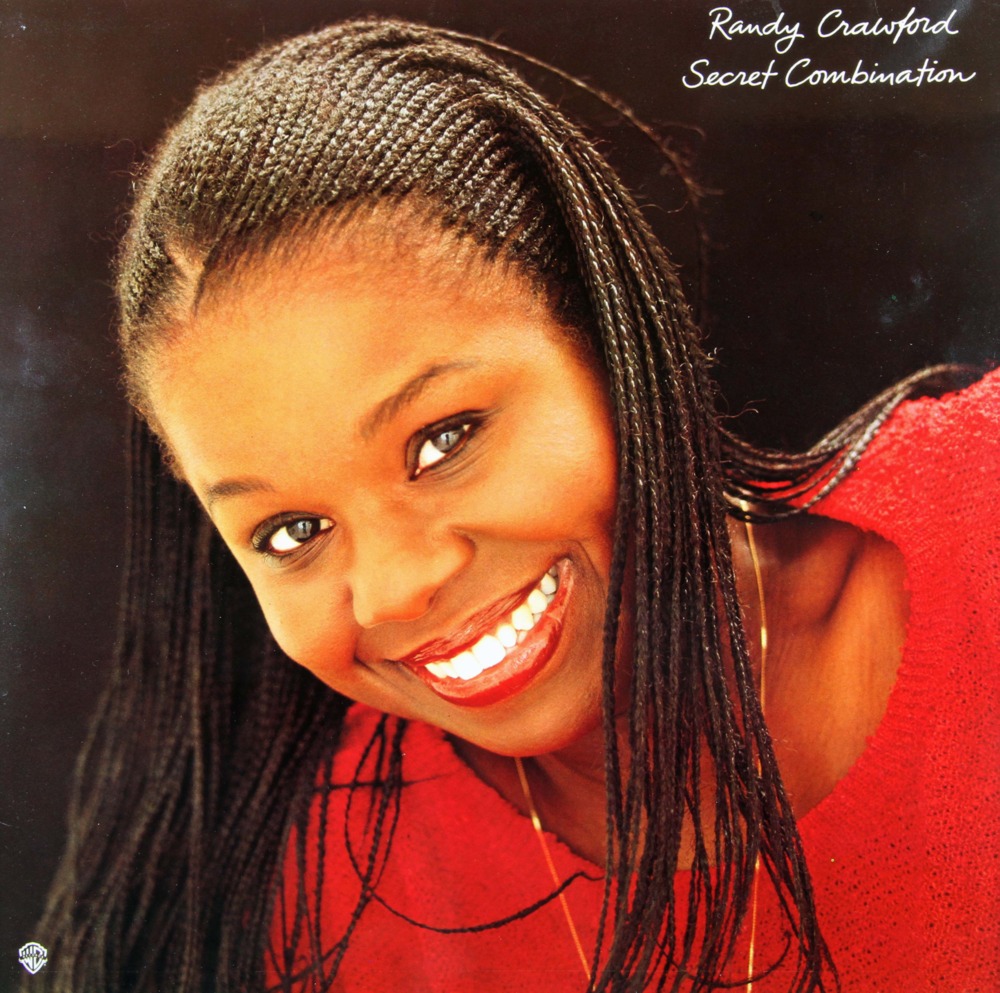
Randy Crawford's "Rio de Janeiro Blue" isn't just a song; it's a masterclass in melancholic atmosphere, a sonic portrait of loss painted with Brazilian hues. The initial verse establishes a classic breakup scenario, but it's the creeping dread – "the clouds come a-creepin' and you got me weepin'" – that elevates it. The singer's vulnerability is stark; she openly admits her dependence on the departing lover, confessing that she "can't make a move without you." This isn't mere heartbreak; it's the unraveling of an entire world. The refrain, with its haunting "Rio De Janeiro Blue," isn't simply a geographical reference. 'Blue' signifies not just sadness, but a specific kind of longing, a yearning for something just out of reach. Rio, in this context, becomes a symbol of paradise lost, a vibrant memory tainted by the present pain. The repeated line emphasizes the finality of the separation, a chilling premonition that there is no return.
Crawford masterfully uses sensory details to amplify the emotional impact. The "salty air, your wind-blown hair, reflection on a dream" evoke a vivid, almost cinematic memory of the relationship. This sensory overload contrasts sharply with the singer's present reality, where thoughts of her lover with someone else flow through her "like a stream," a constant, inescapable current of anguish. The mention of "Brazilian serenaders" is particularly poignant. Music, typically a source of joy and connection, now serves as a painful reminder of what's been lost. The plea to "lose my soul in your song" suggests a desperate attempt to escape the present reality, to find solace in a shared cultural experience, even if only momentarily.
The final verse brings the weight of time to bear. Months have passed, and the singer remains haunted by the separation. The question "Could it be my destiny is to live this life alone?" reveals a profound sense of isolation and existential dread. The vibrant Rio of the past is now replaced by "dark and rainy days," mirroring the singer's internal state. The closing lines, with their repetition of "Rio, Rio De Janeiro Blue," and the resigned "Long and sleepless nights getting old," underscore the enduring nature of the heartbreak. The song meaning lies not just in the sadness of the relationship's end, but also in the acceptance of a future irrevocably shaped by its absence. It's a mature, nuanced exploration of loss that resonates long after the final note fades.
 View Artist