Song Meaning
The lyrics open with a stark, almost unsettling declaration: "The rifle sweeps, the enemy doesn't exist." This immediate paradox sets a tone of disquiet, quickly followed by the physical discomfort of "quite cold, transition season" and "hands are frozen." A sense of lost agency emerges, directly tied to "loss of control" and the looming presence of "the typewriter."
A central tension arises from this internal conflict. The absence of a clear external foe, despite the readiness of a "rifle," suggests a battle waged within or against an unseen force. This internal struggle is amplified by the recurring image of the narrator (or the typewriter itself) "gets up from the table and flies out the window" and the constant, chilling presence "along the watchtower." The cold isn't just weather; it's a pervasive feeling of isolation and exposure.
The craft here shines in its stark, almost aphoristic contrasts and surreal imagery. The declaration "Hate is a chair, the lover is not registered" offers a bleak, cynical view of human connection, where negative emotions are concrete and present, while positive ones are absent or unacknowledged. This is paired with the relentless, almost painful act of creation: "when eyes sting, the ink doesn't run out," suggesting a forced, unending output from "the typewriter."
These lyrics are effective because they create a disorienting, dreamlike atmosphere where the mundane ("quite cold") bleeds into the surreal ("flies out the window"). The repetition of the watchtower and the cold reinforces a feeling of inescapable surveillance and isolation. Ultimately, the lyrics paint a compelling picture of a mind grappling with control, creation, and a world where the lines between reality and internal struggle are blurred, all channeled through the persistent, almost sentient "typewriter."
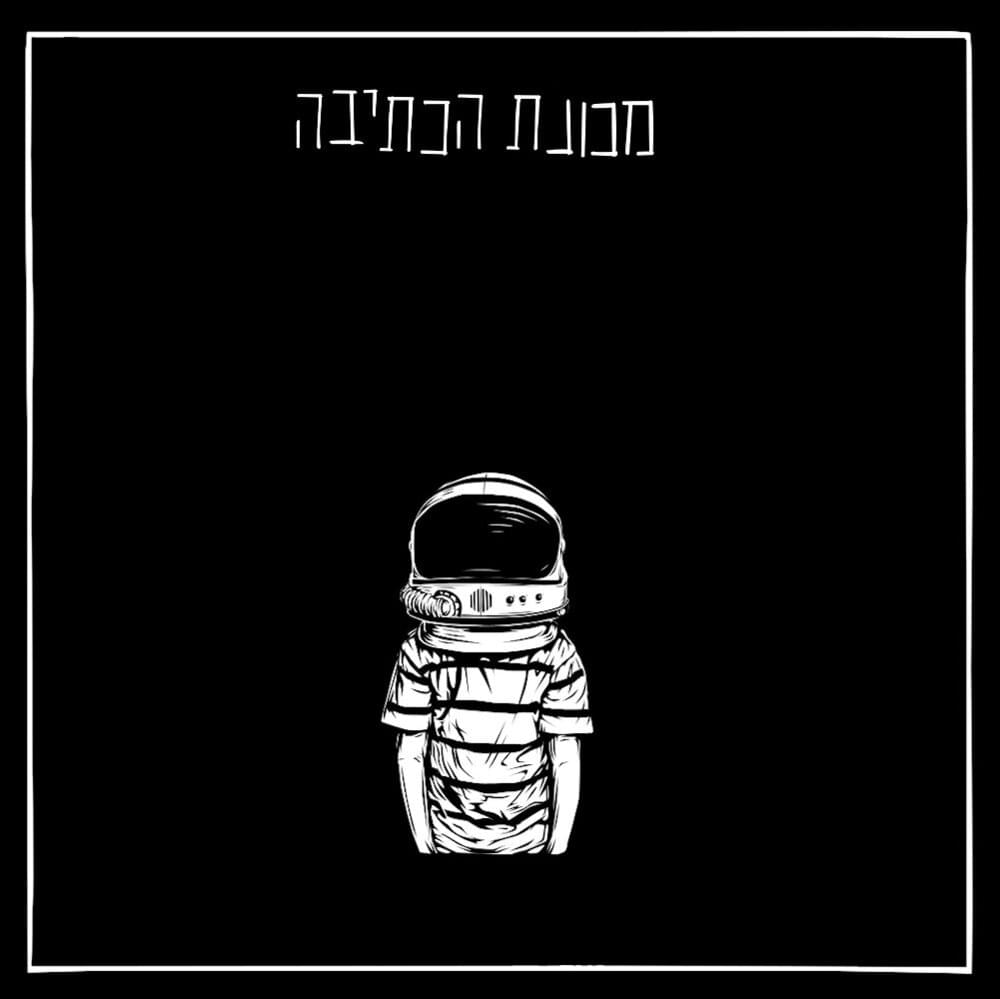
 View Artist