Song Meaning
The lyrics paint a picture of a societal scapegoat, the "hromi Daba" (crippled Daba), who is simultaneously a "svetska je baraba" (worldly scoundrel) and essential for the functioning of the community. The narrator suggests that without this designated "baraba," everything else is "džaba" (in vain). This sets up a curious paradox: this figure of ill repute is somehow indispensable, highlighting a societal need for someone to embody negativity.
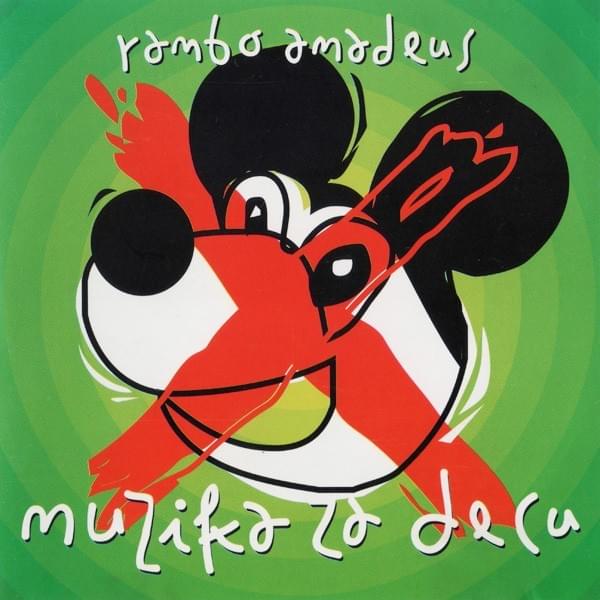
The central tension lies in the necessity of a villain. The lyrics propose that "klinci" (kids) have "pameti brze" (quick minds) and need someone to "mrze" (hate). This need is then directly compared to the cartoonish dichotomy of Miki Maus (Mickey Mouse) as the positive figure, implying that a negative counterpart is equally crucial. The "hromi Daba" appears to be this necessary negative force, a "dripac" (rascal) that kids avoid, yet perhaps learn from in a twisted way.
The most striking craft element is the inversion of "pravda s nogom a nepravda hroma" (justice with a leg, injustice crippled). This flips the expected order, suggesting that in this world, it's injustice that is crippled, while justice is mobile and perhaps aggressive. Yet, the "hromi Daba" himself is crippled, bearing the burden of this societal structure. He "trpi" (suffers) because he is "siroma" (poor/pitiful), emphasizing his passive role as the recipient of societal projection.
These lyrics resonate because they articulate a dark, almost cynical, truth about social dynamics. The writing suggests that a society, especially its younger members, requires a designated target for their negative emotions. The "hromi Daba," despite his negative label, becomes a functional necessity, a figure whose very existence, though pitiable, allows others to maintain their perceived positivity and order. The contrast between his essential role and his suffering is what makes the narrative so potent.
 View Artist