Song Meaning
This ballad opens with a narrator recounting a journey from "old East Virginia" to "North Carolina," where they met and courted a mysterious "fair young lady." The immediate emotional tone is one of deep infatuation, tinged with a strange sense of loss or regret, as the narrator admits, "What was her name I did not know." This initial detail sets a peculiar stage for a love story, hinting at a fleeting or perhaps idealized encounter.
The central tension arises from the conflicting desires surrounding the couple's potential union. The lady's parents are divided: her father approves of the marriage, while her mother objects. This parental discord forces the narrator to consider drastic measures, proposing a secret elopement: "Some dark night we'll take a ramble / I will run away with you." The narrator's desperation is palpable, fueled by the fear of losing her.
The lyrics powerfully convey the narrator's profound despair through stark imagery and a desperate plea. The description of the lady – "dark brown curly" hair and "rosy red" cheeks – is vivid, but it's immediately followed by the anguished wish, "Oh, don't I wish that I was dead." This sharp contrast highlights the depth of the narrator's emotional turmoil. The ultimate expression of this pain comes in the final stanza, where the narrator declares a preference for isolation over the lady belonging to another: "I'd rather be in some dark holler / Where the sun refused to shine / As for you to be some other man's woman / Never on earth to call you mine."
This stark declaration underscores the song's effectiveness. It’s not just a tale of lost love, but a raw portrayal of possessive devotion and the agony of potential separation. The narrator’s willingness to embrace utter desolation – a place "where the sun refused to shine" – emphasizes the unbearable thought of the lady being with someone else. The simple, direct language amplifies the emotional weight, making the narrator's desperate fantasy of escape and their ultimate fear feel intensely real.
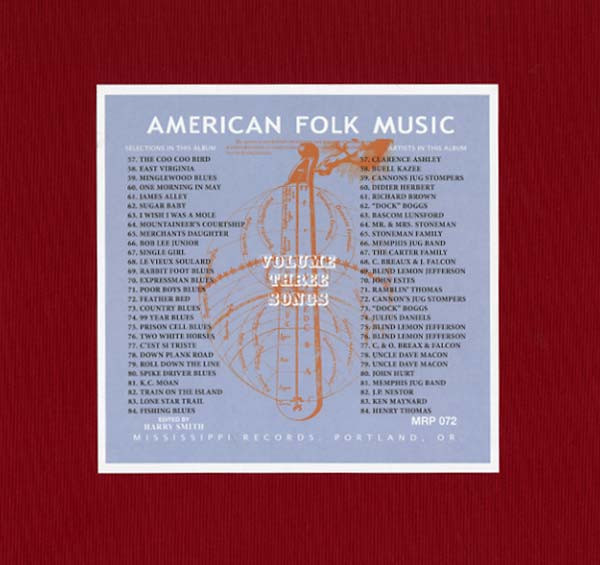
 View Artist