Song Meaning
This track paints a stark picture of a life lived in pursuit of fleeting highs, only to be met with an inevitable, crushing low. The narrator describes a cycle of immediate gratification – gambling, spending, consuming – all driven by a deep-seated dissatisfaction. Even with the means to fulfill every desire, the core feeling remains "dissatisfied," suggesting an internal void that external pleasures cannot fill. The lyrics establish a tone of weary resignation, a recognition of a life spent chasing ephemeral pleasures that ultimately lead nowhere good.
The central tension arises from the narrator's apparent inability to break this pattern, despite acknowledging its destructive nature. The "blue wind" is a powerful metaphor for these destructive impulses or perhaps fate itself, offering freedom but ultimately leading "down through misery" and leaving one "alone and low." This cyclical imagery, reinforced by the repeated chorus, highlights a sense of being trapped, unable to escape the gravitational pull of self-destructive behavior and its consequences.
The writing masterfully contrasts the narrator's physical capabilities with his emotional state and ultimate fate. He possesses "Legs to walk and thoughts to fly" and "Eyes to laugh and lips to cry," a full suite of human faculties. Yet, these are juxtaposed with a profound sense of being "chained upon the face of time" and feeling "full of foolish rhyme." The line "There ain't no dark till something shines" offers a glimmer of philosophical insight, suggesting that suffering is relative, but it doesn't alter the narrator's immediate predicament or his impending departure.
Ultimately, the effectiveness of these lyrics lies in their unflinching portrayal of a life defined by its own undoing. The narrator's final pronouncements to his loved ones – a farewell to his baby, a plea of innocence to his mother, a warning to his brother, and a request for no mourning from his friends – underscore his isolation. He accepts his fate, "bound to leave this dark behind," not as a triumph, but as an inevitable consequence of a life spent chasing ephemeral highs that never truly satisfied.
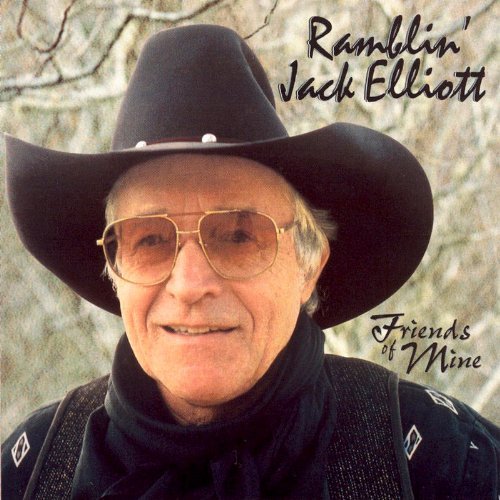
 View Artist