Song Meaning
The narrator recounts a profound regret, a moment where a cherished relationship was carelessly dismantled. The opening lines paint a picture of a promise broken, a partner who vowed to stay, only to be met with cruelty and foolishness by the speaker. This immediate confession sets a somber tone, establishing the core theme of self-inflicted loss. The phrase "I threw it all away" acts as a stark, recurring epitaph for a happiness that once was.
This sense of lost potential is amplified by the second verse, which uses grand, almost cosmic imagery to describe what was held. "Mountains in the palm of my hand" and "rivers that ran through every day" suggest a love so encompassing it felt like the world itself. The narrator’s bewilderment at their own actions – "I must have been mad," "I never knew what I had" – underscores the irrationality of the self-sabotage. It’s the dawning, painful realization of a monumental error in judgment.
The lyrics then shift to a more universal observation about the nature of love, presenting it as an essential, undeniable force. "Love is all there is, it makes the world go 'round" is a simple, yet powerful assertion of its importance. This serves as a preamble to the direct advice offered in the final verse. The narrator, now speaking from hard-won experience, warns the listener against repeating their mistake.
The effectiveness of these lyrics lies in their directness and the potent contrast between past possession and present emptiness. The repeated, almost chanted refrain of "I threw it all away" hammers home the finality of the loss. By framing the relationship's destruction as a personal failing, the narrator invites empathy not through excuses, but through a raw acknowledgment of their own destructive behavior, making the cautionary tale resonate deeply.
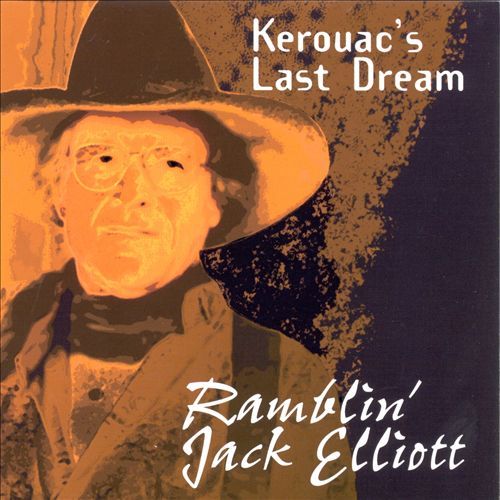
 View Artist