Song Meaning
The lyrics paint a picture of a man caught in a cycle of misfortune, beginning with an arrest in Hong Kong for an unspecified transgression involving "Buddha's gong." This event strips him of "twenty years privilege," a phrase that hints at a severe, life-altering consequence. The narrator is presented as an "unfortunate colored man," a descriptor that, within the context of the time the song was likely written, suggests racial prejudice may be a significant underlying factor in his predicament.
The central tension lies in the narrator's desperate desire for freedom and a return to a perceived homeland, San Francisco, which he claims as his "home's in Frisco where they send the rice." However, this is immediately undercut by the admission that his "really in Tennessee," revealing a complex and perhaps fabricated identity or a deep-seated yearning for a place he can't quite articulate. This internal conflict fuels his plea for help, needing "someone to love me" and "somebody to carry me home to San Francisco / And bury my body there," a poignant expression of wanting to find peace and belonging in death if not in life.
The craft here is in the subtle contradictions and the evocative imagery of entrapment. The desire to "leave Hong Kong behind me for happiness once again" clashes with the recurring line, "Every time I try to leave / Sweet opium won't let me fly away." This suggests not just physical confinement but also a psychological or habitual addiction that binds him, preventing escape. The phrase "I've a yen to see that Bay again" is a clever double entendre, playing on his desire for San Francisco and the currency of the region, highlighting his financial desperation.
What makes these lyrics hit so hard is the raw depiction of a man stripped of agency, caught between a fabricated past and an elusive future, all while battling an unseen force that keeps him tethered. The plea for someone to "carry me home" and the specific request for a "fifty dollar bill" ground his existential despair in tangible, immediate needs. It's a portrait of longing and being trapped, where even the hope of returning home is contingent on external aid and overcoming internal demons, represented by the "sweet opium."
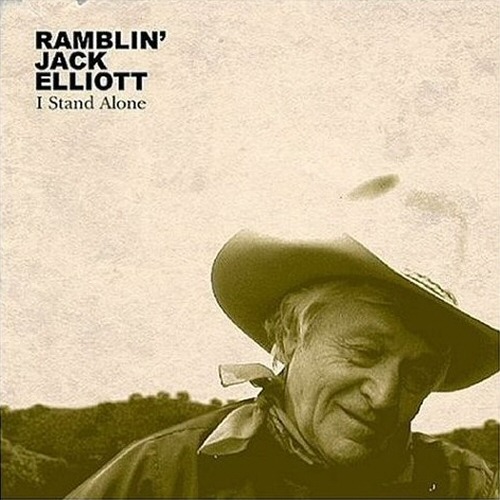
 View Artist