Song Meaning
The lyrics paint a picture of a fleeting, almost mythical figure called the "Candy man." This character is described with a series of contrasting, evocative titles: a "salty dog," a "fatting hog," and even "Santa Claus." The repetition of "been here and gone" immediately establishes a sense of transience, making the Candy man's presence both desired and elusive. The narrator seems to be grappling with the conditions of this figure's affection, stating, "If you can't be my Candy man / You can't be my salty dog" and later, "If you can't be my candy man / Can't be my fatting hog." This suggests a demand for a specific, perhaps multifaceted, identity from the Candy man before he can be fully claimed.
The central tension revolves around the narrator's desperate longing for the Candy man's return and full commitment. The plea, "I'd give anything / In this god almighty world / To get my Candy man home," underscores a profound sense of loss and yearning. The narrator wishes to be "sitting on the candy stand" in New Orleans, a scene that evokes a sense of abundance and perhaps illicit pleasure, further highlighting the desire for the Candy man's presence and the associated experiences. The urgency is palpable, even extending to a command to "Run get the pitcher / Get the baby some beer," suggesting a need to prepare for his arrival or to cope with his absence.
The most striking aspect of the craft is the juxtaposition of seemingly disparate descriptors for the Candy man. He is both a "salty dog" – implying a rough, perhaps untrustworthy character – and a "fatting hog," suggesting indulgence and gluttony, yet also "Santa Claus," a figure of generosity and magic. This creates a complex, almost contradictory image of the desired figure. The repeated assertion, "If you can't be my Candy man / You can't be my man at all," serves as a powerful ultimatum, solidifying the narrator's rigid requirements for this relationship, however ambiguously defined.
Ultimately, the lyrics resonate through their raw expression of desire and the frustration of unattainable connection. The fragmented, almost chant-like structure, coupled with the shifting epithets for the Candy man, creates a hypnotic effect that mirrors the narrator's obsessive focus. The effectiveness lies in this portrayal of a deep, almost desperate need for a specific, idealized, yet elusive figure, leaving the listener with a sense of unresolved longing and the weight of conditional affection.
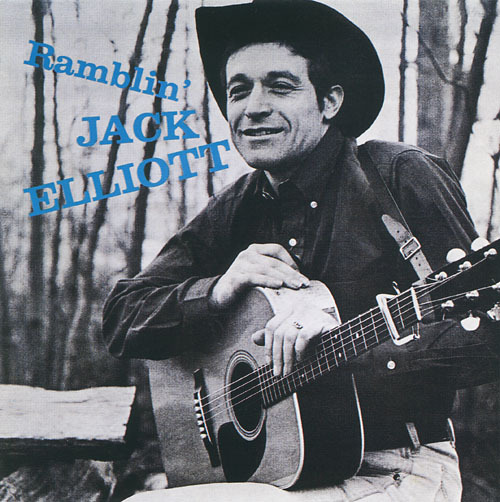
 View Artist