Valse triste
Song Meaning
The opening a cappella immediately sets a somber, almost funereal tone. The starkness of the unaccompanied voice suggests a profound sense of isolation, as if the narrator is delivering a lament directly to the listener without any instrumental buffer. This raw presentation hints at a deep, personal sorrow that needs no embellishment. The lyrics seem to grapple with a persistent, melancholic feeling, a 'triste' that is not a fleeting emotion but a constant companion. The repetition of 'triste' itself underscores its pervasive nature, suggesting a state of being rather than a temporary mood. This emotional weight is carried solely by the voice, amplifying the feeling of inescapable sadness. The deliberate choice of 'Valse triste,' a 'sad waltz,' is a masterful stroke of irony. A waltz is typically associated with celebration, movement, and social grace, yet here it is rendered mournful. This juxtaposition creates a powerful tension, implying a dance with sorrow, a forced gaiety that masks a deeper pain. Ultimately, the effectiveness of these lyrics lies in their minimalist power. By stripping away all instrumentation, the focus is entirely on the emotional weight of the word 'triste' and the implied narrative of a sorrowful dance. The a cappella delivery forces the listener to confront this sadness head-on, making the emotional impact immediate and undeniable.
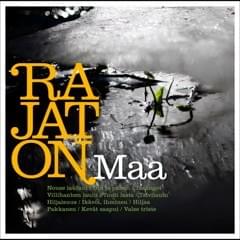
 View Artist
Lyrics
[A Cappella]
Rate this song
0/5.0 - 0 Ratings
Loading comments...
Credits
- Writers
- Jean Sibelius