Song Meaning
The lyrics paint a vivid, albeit crude, picture of a narrator's disdain for their cousin's new boyfriend. The central metaphor revolves around bread, with the cousin calling her boyfriend "pão" (bread), specifically "pão doce" (sweet bread) and "pão fofo" (fluffy bread). The narrator, however, dismisses him as "pão chocho" (stale bread) and "pão duro" (hard bread), immediately establishing a stark contrast in perception.
The narrator's contempt escalates from simple disapproval to outright accusation. They label the boyfriend a "pão duro do padeiro" (hard bread from the baker) and declare the relationship "sem futuro" (without a future). This initial critique, however, is overshadowed by a much darker revelation in the third verse, where the narrator claims the boyfriend is a "cabra muito safado" (very wicked guy) who only pretended to be a boyfriend to exploit the cousin.
The most striking element is the brutal shift in tone and the explicit nature of the accusations. The narrator states the boyfriend "forçou a coitadinha a soltar a tarraqueta" (forced the poor thing to release the 'tarraqueta' – a vulgar slang term for female genitalia) and directly advises the cousin, "não dê a boceta" (don't give your pussy). This aggressive, protective, and deeply judgmental stance is amplified by the repeated, almost chant-like, condemnation of the boyfriend as "chocho pão."
These lyrics are effective due to their raw, unfiltered expression of disgust and perceived betrayal. The simple, domestic metaphor of bread is twisted into a weapon, highlighting the narrator's contempt and their fierce, albeit crudely expressed, desire to protect their cousin from what they see as a predatory situation. The repetition of "chocho pão" hammers home the narrator's unwavering judgment.
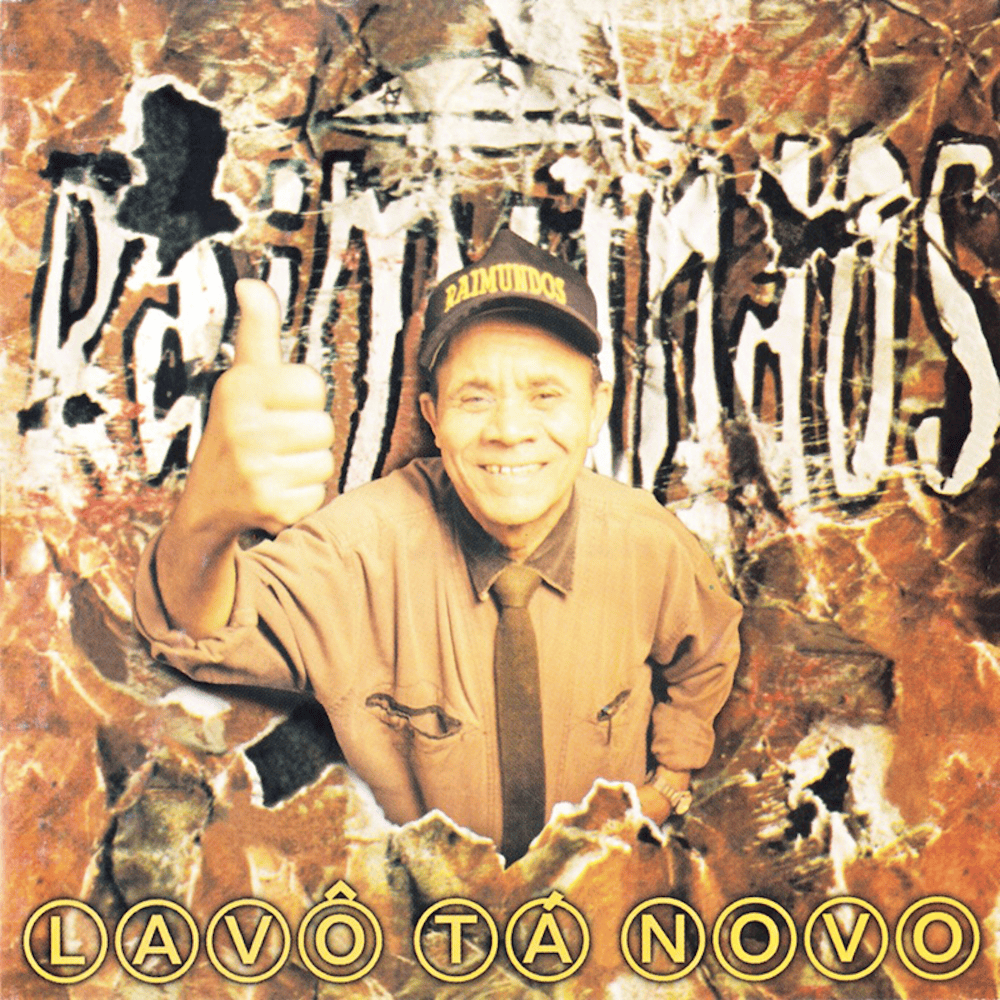
 View Artist