Song Meaning
The lyrics paint a vivid, almost cartoonish picture of a group of managers from Huelva, characterized by distinct physical traits and quirky catchphrases. We meet a balding manager and one with a ponytail, alongside "Nono" who repeatedly asks "¿que es lo que pasa?" – a refrain that sets a tone of bewildered observation. The scene is further populated by "Perico" with his motorbike, "Matias" with the ponytail, and "Rafa" with his "fofito," while Nono handles the table, establishing a somewhat chaotic but familiar ensemble.
The central tension emerges from the managers' questionable competence, particularly their choice of a "conjunto de corte moderno" (modern-style group) that is quickly dismissed as "conjunto estiercol" (manure ensemble). This disastrous choice nearly leads to the theft of instruments, highlighting a profound lack of foresight or skill. The managers' efforts to survive the winter with this ensemble backfire spectacularly, suggesting a disconnect between their intentions and their execution.
The lyrics employ a repetitive structure, especially with the recurring list of names and their associated items ("Perico con su amoto," "Matias con la coleta," etc.), which grounds the narrative in a specific, almost anecdotal reality. This repetition, coupled with the nonsensical questions and exuded by the crowd at a concert in Chipiona – "¿que es lo que pasa? Que no se ooooye" – amplifies the sense of confusion and perhaps incompetence surrounding the managers and the group they represent. The mention of "tanto cubata y tanto polen" hints at a lifestyle that might be contributing to the auditory issues at the show.
Ultimately, the effectiveness of these lyrics lies in their specific, unvarnished portrayal of a particular kind of managerial failure. The humor is derived not from grand pronouncements, but from the mundane details and the slightly absurd situations described. The final lines, "Ni médico, ni botica / Ni sé yo, ni cosa de esa / No hay quien le quite a mi niño / De esa dichosa cabeza," shift the focus to a parental concern, perhaps Nono's, about a child's stubbornness or fixation, which could be interpreted as a metaphor for the managers' own unshakeable, albeit misguided, approach.
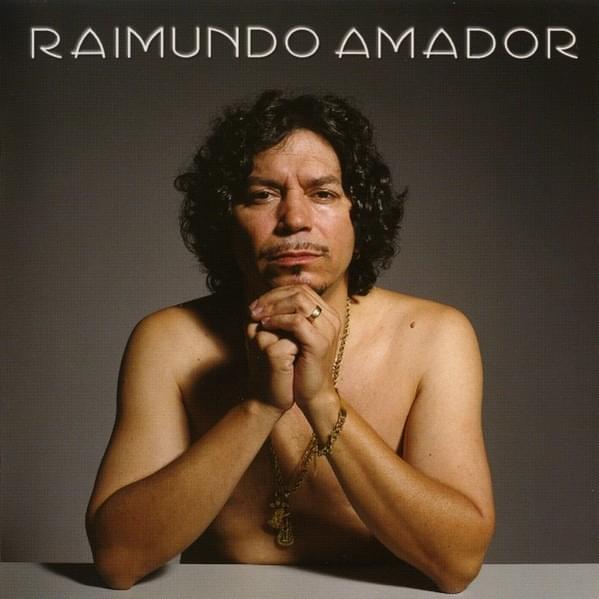
 View Artist