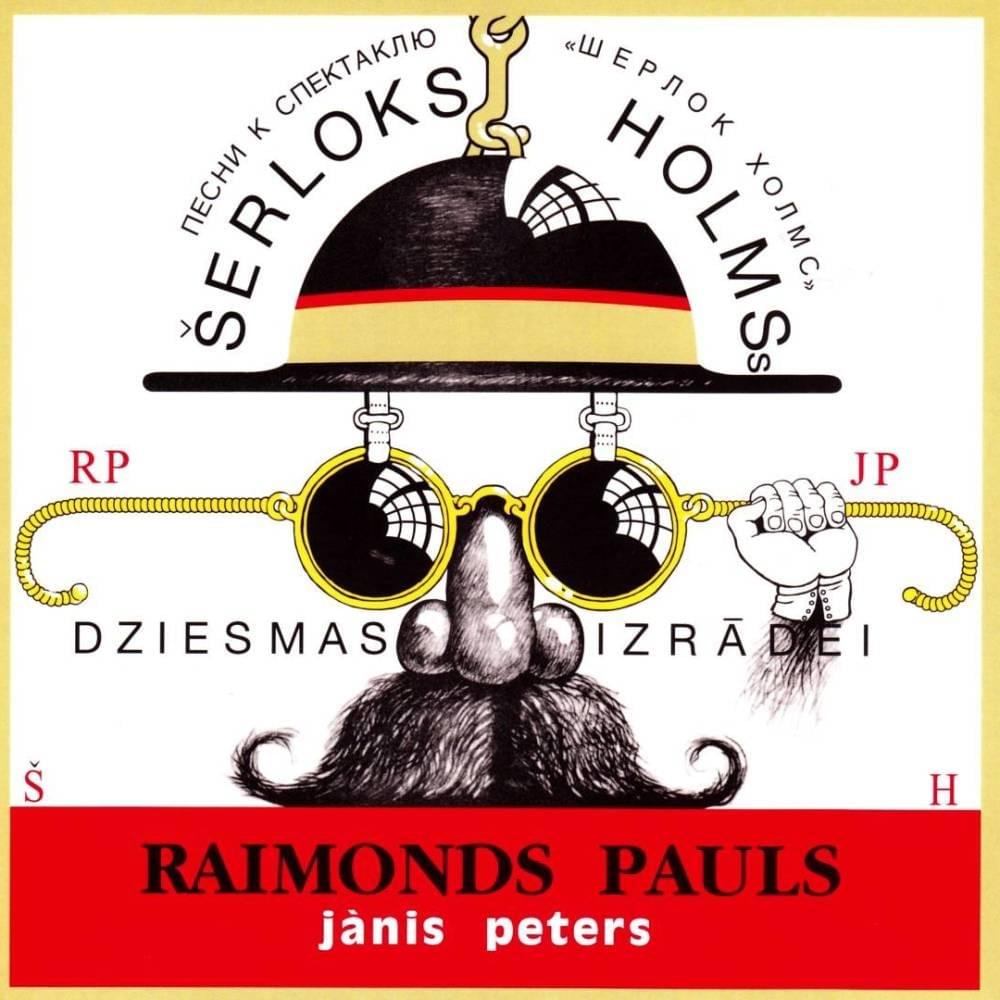
Song Meaning
The lyrics introduce "Old Vaverli" as a figure embodying logic, a concept presented as ancient and all-seeing. This entity observes, but the immediate sentiment is a preference for the present over the future. The core tension arises when the mind and heart clash, a state described as "falling together," which seems to invite trouble, even from the police. This suggests that a lack of internal harmony, specifically between rational thought and emotional impulse, is the root of conflict.
The central conflict appears to be the struggle between the mind and the heart, and the consequences when they are not aligned. The lyrics state that a stone shatters against the heart, while a dagger is nothing against the mind. However, when the heart finds a home within the mind, it signifies a dangerous equilibrium. This duality is further emphasized by the image of "talent" shining within someone who possesses both mind and heart, contrasted with a violin against a pistol, implying that creative expression or intellect can be a defense against brute force or destructive impulses.
The most striking craft element is the personification of "Old Vaverli" and the repeated emphasis on the separation and potential reunification of "prāts" (mind) and "sirds" (heart). The lyrics repeatedly ask what happens when the mind asks the heart to play, and it accuses no one but the one whose mind is "severed from their living heart." This stark imagery of a severed connection highlights the tragic nature of internal division. The repetitive chanting of "Old-old-old-old-old-old-old-old-Vaverli" amplifies the sense of an ancient, perhaps inescapable, truth or force at play.
Ultimately, the effectiveness of these lyrics lies in their stark, almost aphoristic pronouncements about the human condition. The lyrics suggest that life is both logical and magical, yet tragically so. The final lines, stating that while the narrator speaks, a new crime has occurred, underscore a sense of ongoing, perhaps inevitable, human failing. This cyclical view, where logic observes but cannot prevent the heart's or mind's missteps, creates a poignant and thought-provoking commentary on internal conflict and its external manifestations.