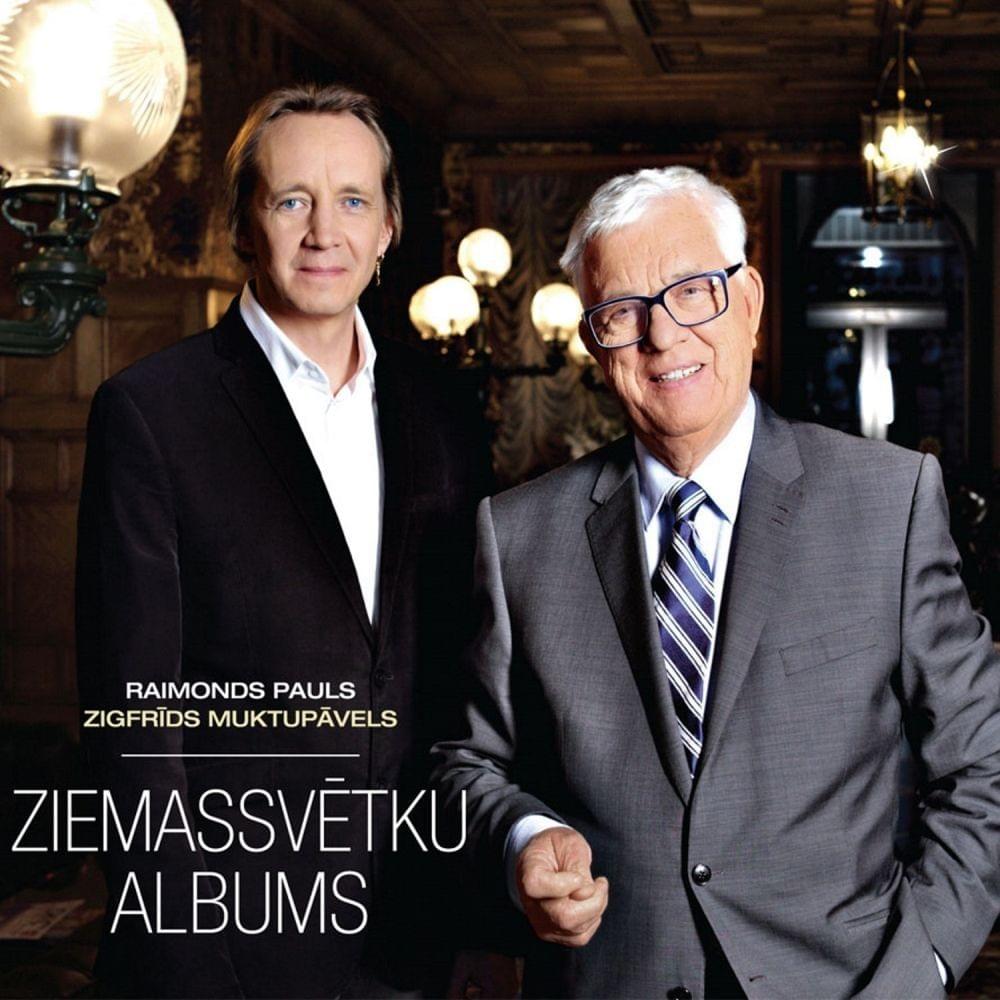
Song Meaning
The lyrics paint a stark picture of a love that is both the narrator's sole reason for being and their ultimate undoing. The opening lines establish this duality: "Tevis dēļ es piedzimis esmu" (For you, I was born) immediately followed by "Tas ir mans spēks un tas mans vājums" (That is my strength and that is my weakness). This love is not a gentle comfort but a consuming force, so central that "Vientulība manas dzīves piedziedājums" (Loneliness is my life's refrain) becomes the constant, almost musical, backdrop to this intense devotion.
The core tension lies in the desperate plea "Neaizmirsti mani" (Don't forget me), repeated with a sense of urgency against a backdrop of potential oblivion. The imagery of not wanting to "izirsti" (dissolve) into "Tukšos vēja pelnos" (empty ashes of the wind) is potent, suggesting a fear of fading away completely, of being forgotten and reduced to nothingness. This plea is framed as both a reward and a curse: "Tā man balva, tas mans mūžīgs lāsts" (That is my reward, that is my eternal curse). It's a profound paradox where the very act of being remembered, tied to this all-consuming love, is both the highest prize and the heaviest burden.
The writing masterfully uses contrasting ideas to amplify this emotional weight. The love that birthed the narrator is also the source of their weakness, and the loneliness that defines their existence is also their "dzīves pulss" (life's pulse). This constant oscillation between light and dark, creation and destruction, presence and absence, creates a deeply resonant emotional landscape. The repeated phrase "Neaizmirsti mani" acts as an anchor, a desperate signal against the encroaching void, making the plea feel both intensely personal and universally understood.
Ultimately, the effectiveness of these lyrics stems from their raw portrayal of a love that is inseparable from suffering and the fear of erasure. The narrator isn't seeking simple happiness but a confirmation of existence through memory, even if that memory is tied to pain. The stark, almost bleak imagery of ashes and wind, juxtaposed with the idea of a "gaismas strēle" (ray of light) and a "dzīvs avots" (living spring), underscores the precariousness of their emotional state, making the plea to be remembered a powerful, gut-wrenching cry.