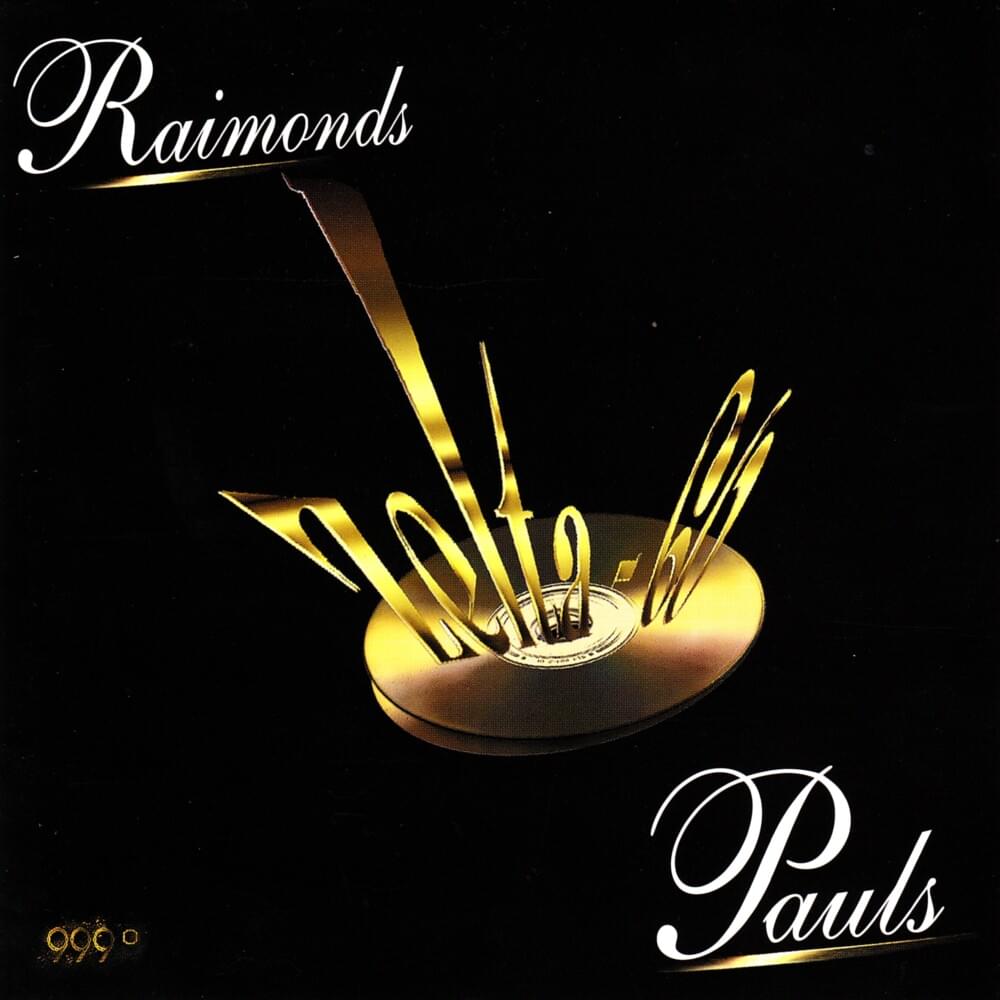
Song Meaning
This song paints a vivid picture of a coastal city, "Pilsēta vētru un dzintara krastā," immediately establishing a sense of place defined by wind and amber. It's presented as an unforgettable melody, a place that "dimdi kā dziesma, ko piemirst nav brīv." The imagery of ships with sails like clouds at dawn, "Rītausmā kuģiem ar mākoni mastā," and passing like memories on the wind, "Pāri kā atmiņas vēji plīv," creates a melancholic yet enduring atmosphere.
The core emotional tension seems to lie in the deep connection and enduring spirit associated with this city. The lyrics suggest a profound sense of remembrance and continuity, stating "Kritušos biedrus te dzīvus vēl jūt" – a feeling that fallen comrades are still felt alive here. This imbues the city with a spiritual weight, a place where the past is palpably present.
The most striking craft element is the powerful repetition of the wish for the city's eternal existence and freedom: "Mūžam šī zeme zem saules lai pastāv" and "Mūžam tev lepnai un brīvai būt." This insistent plea, echoing the city's enduring nature, elevates the lyrics from a simple description to a heartfelt ode. The contrast between the transient imagery of ships and memory and the eternal wish for the city's survival is particularly effective.
Ultimately, the lyrics resonate because they capture a deep, almost sacred, bond with a place. The city is not just a location but a living entity, a keeper of memories, and a symbol of resilience. The evocative language and the powerful, repeated affirmations of its enduring spirit create a moving tribute that feels both personal and timeless.