Song Meaning
This song opens with a declaration of unwavering love, a promise to cherish someone "in this life or evening." Yet, this tender sentiment is immediately met with uncertainty. The narrator feels their fate is being divined, but the outcome remains ambiguous, caught between a "yes" and a "no." This sets up a core tension between the desire for steadfast affection and the unsettling feeling of an unknown future.
The central conflict emerges as the narrator pleads with fate itself, begging for mercy and silence. The repeated plea, "pažēlo, pažēlo" (spare me, spare me), underscores a deep anxiety. This is followed by a jarring command: "norauj masku" (tear off the mask). This abrupt shift suggests the narrator suspects fate, or perhaps the person they love, is hiding something, presenting a false front.
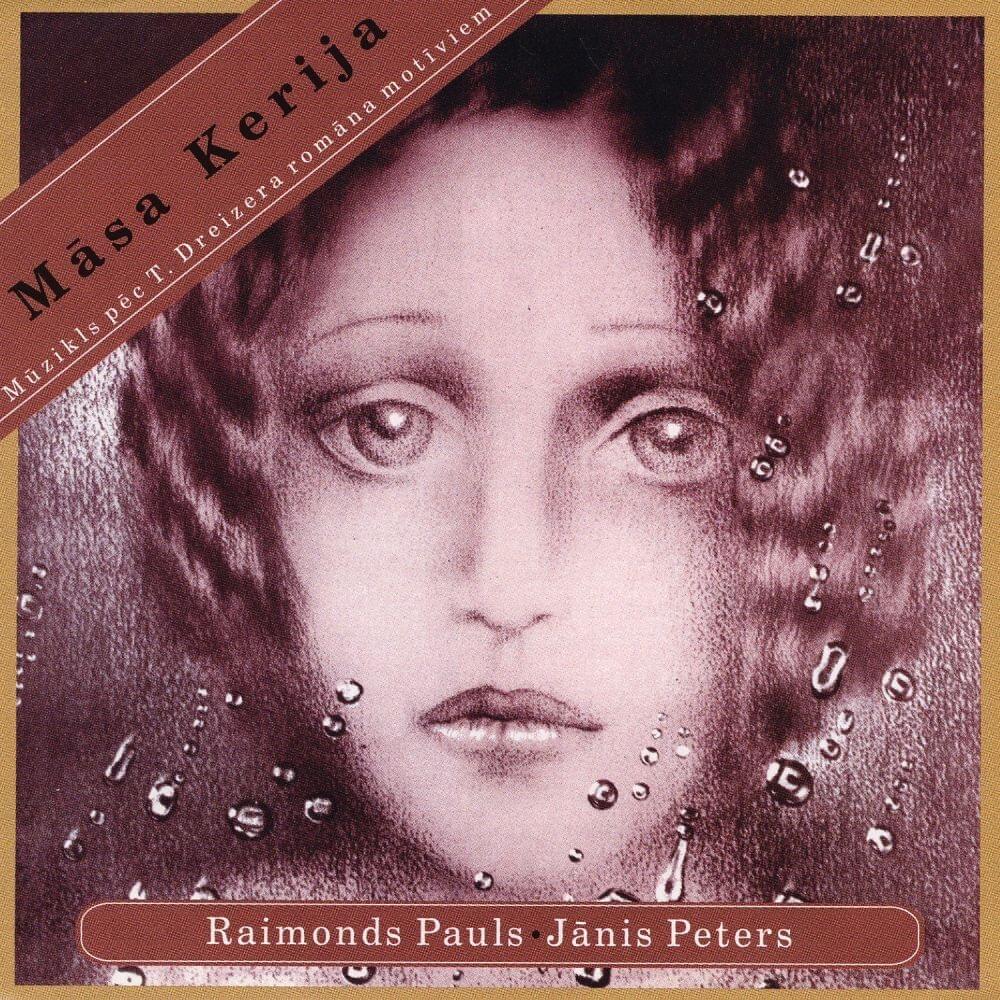
The lyrics then pivot to a striking image of a "waxen pale face" within a "carnival." This metaphor is powerful, transforming the abstract concept of fate or a hidden truth into a tangible, eerie presence. The carnival setting implies deception and illusion, where identities are fluid and masks are common. The narrator's final questions, "Are you a face, or do you wear a mask?" directly confront this ambiguity, questioning the authenticity of what they perceive.
What makes these lyrics resonate is the palpable sense of vulnerability and the fear of deception. The contrast between the initial heartfelt promise of love and the subsequent desperate questioning of reality creates a compelling emotional arc. The imagery of the waxen face and the carnival effectively externalizes the narrator's internal struggle with uncertainty and the potential for betrayal, leaving the listener with a lingering sense of unease.