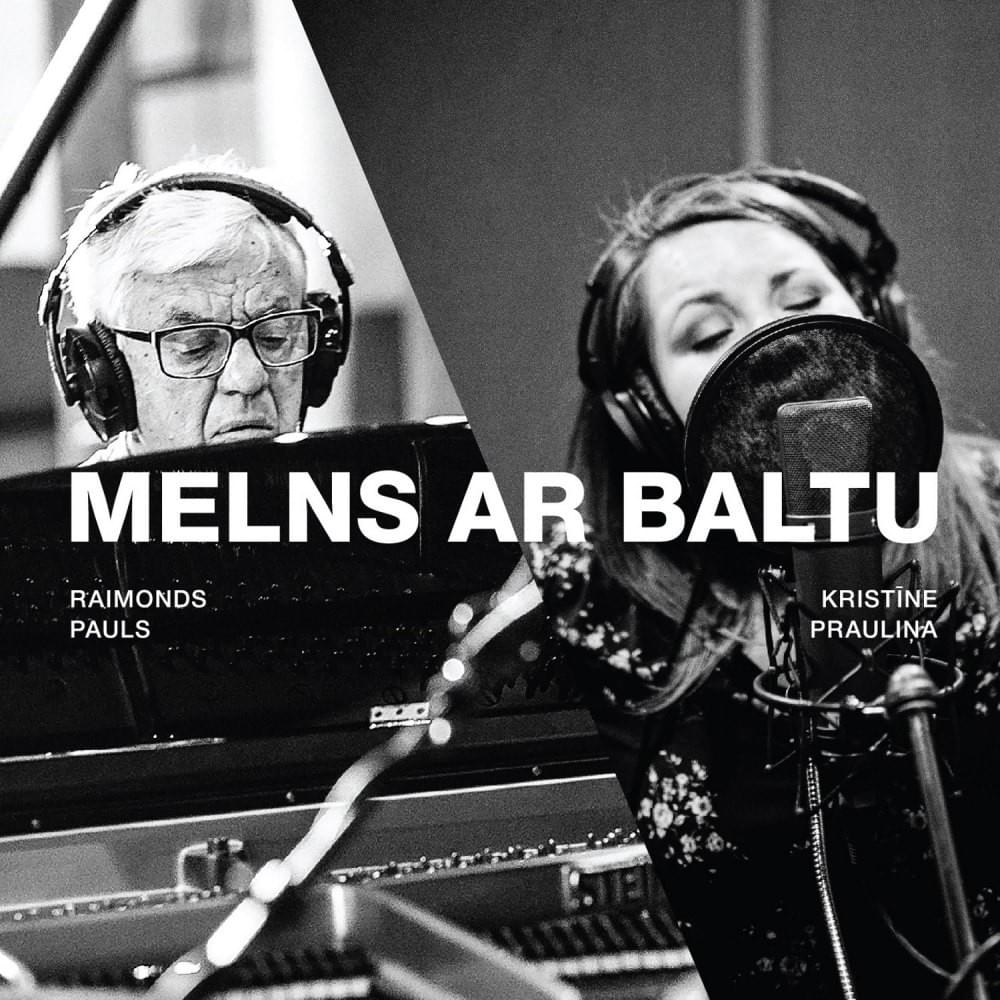
Song Meaning
The lyrics paint a picture of a complex, dualistic relationship where the speaker finds solace in someone who embodies both angelic and devilish qualities. This paradox isn't a source of fear, but rather a reason for unwavering trust. The narrator explicitly states, "But I am not afraid of you," because they believe this person is "the only one / Who will never betray me." This conviction forms the bedrock of their commitment, leading to a declaration of steadfastness.
The central tension lies in accepting and embracing this inherent duality. The speaker clings to this figure "like a sunbeam to the sun in the evenings," a beautiful but perhaps fleeting image of connection. This person is described as "an angel and a devil / The only one in the world," highlighting their unique and singular nature in the speaker's eyes. This acceptance of contradiction is key to the narrator's devotion.
The writing uses striking, almost surreal imagery to underscore this complex reality. The scene shifts to a place where "white gladiolas bloom at night / And black cats frown," a landscape of contrasting elements that mirrors the central figure. The narrator's anticipation of this person's arrival, "when the moon sets," and the promise of "much" suggests a deep, perhaps even overwhelming, connection that defies conventional understanding. The line "Nothing is white, it just looks that way" directly challenges surface appearances, reinforcing the idea that true understanding requires looking beyond the obvious.
Ultimately, the effectiveness of these lyrics stems from their bold embrace of imperfection and contradiction. The narrator finds security not in an idealized, pure figure, but in someone who is flawed and multifaceted. This acceptance of the "angel and devil" within a single person creates a powerful emotional anchor, suggesting that true loyalty can be found in the most unexpected places, even in those who embody opposing forces.