Song Meaning
The lyrics paint a stark picture of shared hardship and a collective identity forged in adversity. The opening lines immediately establish a tone of bitter experience, with the narrator and "my people" drinking "harsh wines of mockery." This isn't a celebration, but a grim communion, setting the stage for a narrative of struggle.
This shared struggle is further emphasized by the recurring phrase "El meu poble i jo" (My people and I), which acts as a constant anchor, binding the narrator's fate inextricably to their community. They've "listened to strong arguments of the saber," suggesting a history of conflict or oppression where force dictated terms. A "lesson" had to be understood, and "the same fate united us forever," highlighting an unbreakable bond born from difficult circumstances.
The lyrics then pivot to a powerful assertion of unity and purpose. The question "Lord, servant?" is met with the declaration "We are inseparable," underscoring a rejection of hierarchical division and a claim to equal standing. This collective "we" possesses "the reason against borders and thieves," framing their struggle as a fight for justice and self-preservation against external threats. The act of "saving the words of our language" points to a cultural and linguistic defense, a vital part of their shared identity.
The final stanzas reveal a descent into a "well of pain" where they "learned to go down steps of sorrow." Yet, even from this low point, they "look upwards." This imagery of looking up from the depths signifies resilience and a defiant hope. The closing lines, "We both rise up / In burning expectation," encapsulate the core of the song: a people who, having endured immense suffering together, now stand united, ready for what comes next with an intense, shared anticipation.
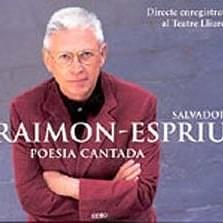
 View Artist