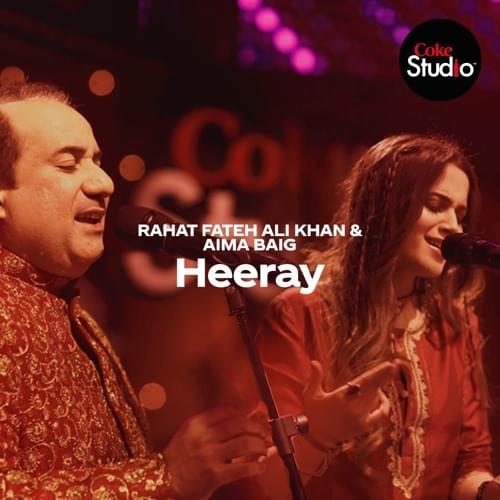
Song Meaning
This song paints a vivid picture of longing and devotion, centered around the iconic love story of Heer and Ranjha. The narrator, seemingly Heer, expresses a deep ache caused by separation from their beloved, referred to as "Heere." The repetition of "Sun Heere, Sun Heere" acts as a direct address, a plea, and an acknowledgment of the pain that "your distance tears the heart." The initial lines, "Bhes wata ke Rangpur aaya, Mujo jatt da raj dulara," suggest a journey or a change in disguise, hinting at the lengths one might go for love, and establishing a sense of a specific, perhaps fated, place or circumstance.
The central tension arises from external forces, "Khedre," that are creating distance and division in their love. The narrator questions why these "Khedre" have entered their relationship, lamenting, "Why does separation come into love?" This plea is amplified by the repeated, almost desperate, questioning of "Kheda, kheda, kheda, kheda" and "Jehra, jehra, jehra, jehra," emphasizing the intrusive and unwanted nature of this separation. The narrator's fervent wish is for divine intervention against this division: "May God not do that anyone separates us." The desire is for closeness, for the beloved to be brought near, solidifying the core conflict of love battling against imposed distance.
The lyrics masterfully employ repetition and direct address to convey emotional intensity. The recurring phrase "Teri doori dil cheere" (Your distance tears the heart) becomes an anchor, grounding the listener in the raw pain of separation. The narrator's self-description as a "jogī" (ascetic) and "rogī" (patient) for love highlights the all-consuming nature of their affection, suggesting a state of being driven to extremes by this longing. The invocation of "Ranjha, Ranjha" and the declaration "Heer ne teri rehna" (I will remain yours, Heer) firmly places the narrator within the legendary narrative, drawing strength and identity from this fated connection. The lyrics suggest that this love is not merely personal but a "story written from eternity," destined to be fulfilled.
Ultimately, the effectiveness of these lyrics lies in their directness and emotional honesty. The simple, yet powerful, imagery of a torn heart and the plea for divine protection resonate deeply. The narrative voice, whether Heer or a similar devoted lover, is unwavering in its commitment, declaring, "I am yours, O Ranjhna." The song captures the universal ache of separation while grounding it in a specific, culturally resonant love story, making the expressed devotion feel both epic and intimately felt. The final lines, "Hoo jaye jo vi hona, Heer ne teri hona" (Whatever is to happen, I will be yours), offer a sense of resigned but resolute acceptance of fate, bound by an unbreakable love.