Song Meaning
The lyrics paint a stark picture of a life that appears outwardly perfect but is internally hollow. The narrator describes a morning routine of quiet coffee and polite goodbyes, noting "pene manerer" and a peculiar "ingen onanerer," suggesting a sterile, perhaps repressed, existence. This initial scene sets a tone of almost unnerving calm, hinting that beneath the surface of order lies a profound lack of genuine vitality.
The central tension emerges from the contrast between this superficial perfection and the implied emotional emptiness. The repeated phrase "maskiner i Nirvana" is key, presenting a paradox: Nirvana, a state of ultimate peace and bliss, is achieved not through spiritual enlightenment or fulfillment, but by becoming "machines." This suggests a life devoid of passion, spontaneity, or even basic human drive, where contentment is a programmed state rather than an earned one.
The craft of the lyrics lies in their deadpan delivery and the unsettling juxtaposition of mundane details with extreme pronouncements. The line "De råtner foran TV og de kaller det å leve" is particularly biting. It highlights the ultimate irony: a life of apparent ease and fulfillment, where desires are met, is actually a slow decay, a passive existence mistaken for a life well-lived. The reference to "nittenførtifem" further implies a long-standing, perhaps generational, stagnation.
This lyrical approach is effective because it forces the listener to confront a disturbing possibility: that the pursuit of comfort and the elimination of struggle can lead to a state of profound un-living. The "Nirvana" described here isn't transcendent; it's a comfortable, predictable, and ultimately deadening end-state. The lyrics don't offer solutions, but rather a chilling observation of a life where "getting what you want" means losing what makes you human.
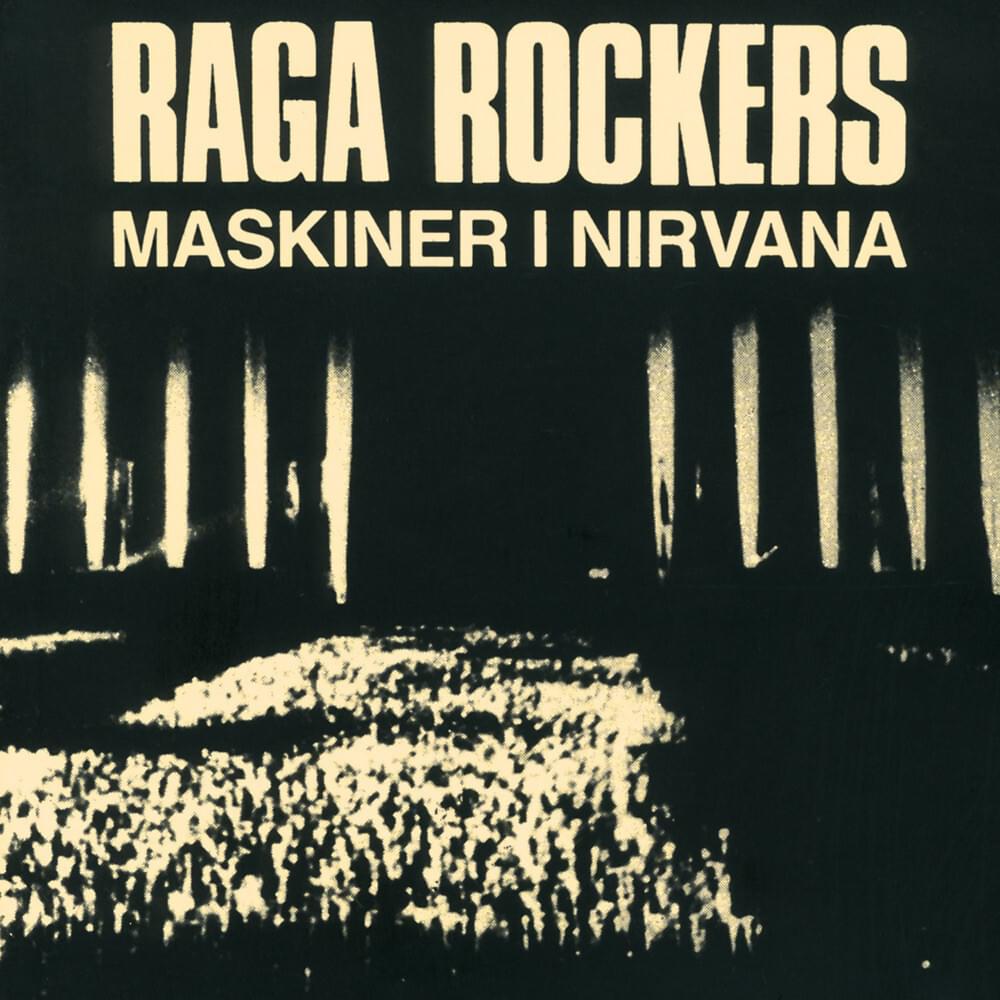
 View Artist