Song Meaning
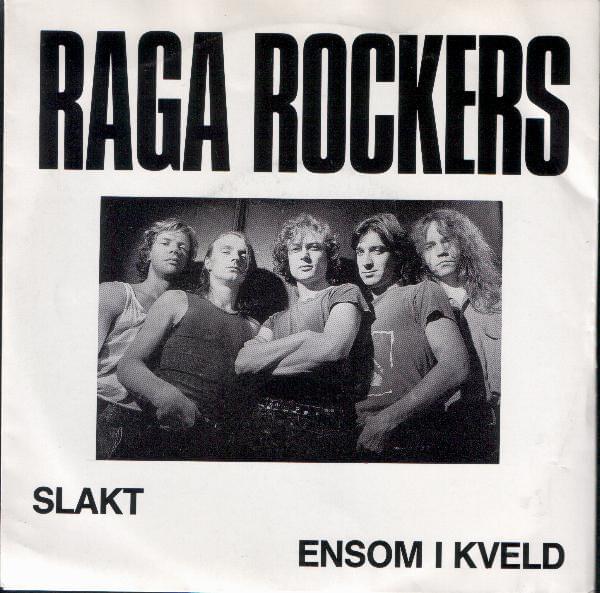
The lyrics paint a stark picture of rejection and isolation, immediately setting a cold, unwelcoming tone. The opening question, "Er du ensom i kveld?" (Are you lonely tonight?), is immediately met with a harsh "Kom ikke her" (Don't come here), establishing a clear boundary and a refusal of entry. The narrator dismisses the outward appearance, noting that "Skjorte av silke, bukser av lær" (Shirt of silk, pants of leather) offers no solace or acceptance in this space, suggesting a deeper, unaddressed loneliness.
The central tension lies in the narrator's deliberate exclusion of someone perceived as lonely. There's a dismissive, almost cruel, command to "Ikke vær til besvær" (Don't be a bother), followed by a chilling acknowledgment, "Vi vet, åssen det er" (We know how it is). This implies a shared, perhaps even celebrated, state of being that the lonely individual is not privy to, or worse, is being punished for.
The most striking element is the shift in the second verse, moving from a simple refusal to a demand for submission. The line "La oss få se deg på dine knær" (Let us see you on your knees) transforms the scene from one of mere exclusion to one of humiliation and power imbalance. It suggests that the price of entry, or perhaps the only way to be acknowledged, is through abject surrender, a demand that underscores the narrator's control and the lonely person's desperation.
This lyrical construction is effective because it uses direct, confrontational language to evoke a visceral sense of social ostracization. The contrast between the implied superficiality of the lonely person's attire and the raw emotional demand for them to be brought low creates a powerful, uncomfortable image. The lyrics don't offer comfort; instead, they amplify the pain of loneliness by making it a condition for scorn and subjugation.
 View Artist