Song Meaning
The lyrics paint a picture of a relationship riddled with mutual distrust, framed by the narrator's plea against a suffocating "stupid jealousy." The central tension arises from a bizarre double standard: the narrator is expected to trust their partner when they're apart, yet the partner harbors suspicions when the narrator is present. This creates a cycle where the narrator's own insecurities are amplified by their partner's unfounded doubts.
The narrator directly confronts this hypocrisy, questioning why their words are perceived as lies while the partner acts like a saint when absent. The core of the conflict lies in the partner's insecurity, which the narrator finds mirrored in their own inability to let go, despite the partner's perceived untrustworthiness. The repeated phrase "stupida gelosia" highlights the self-awareness of this destructive emotion, yet the narrator admits their own dependency, stating "Colpa mia se tu sei / Tutto quel che ho" (My fault if you are / All that I have).
The most striking aspect of the craft is the direct, almost conversational address and the mirroring of accusations. The narrator flips the script in the second verse, stating, "Guarda come faccio io / Prendi esempio un po' da me / Che anche quando tu ci sei / Non mi fido mai di te" (Look how I do it / Take an example from me / That even when you are here / I never trust you). This isn't a confession of infidelity, but rather an expression of how the partner's own distrust has taught the narrator to be equally suspicious, creating a toxic feedback loop. The plea "Gelosia, gelosia / Fammi un favore vai via" (Jealousy, jealousy / Do me a favor, go away) underscores the narrator's exhaustion with this emotional turmoil.
Ultimately, the lyrics resonate because they articulate the painful paradox of a relationship where love is intertwined with profound insecurity and a desperate, yet perhaps futile, desire for freedom from that very jealousy. The narrator's admission of dependence, coupled with their sharp critique of the partner's behavior, makes for a raw and relatable portrayal of a relationship caught in a cycle of mistrust and co-dependence.
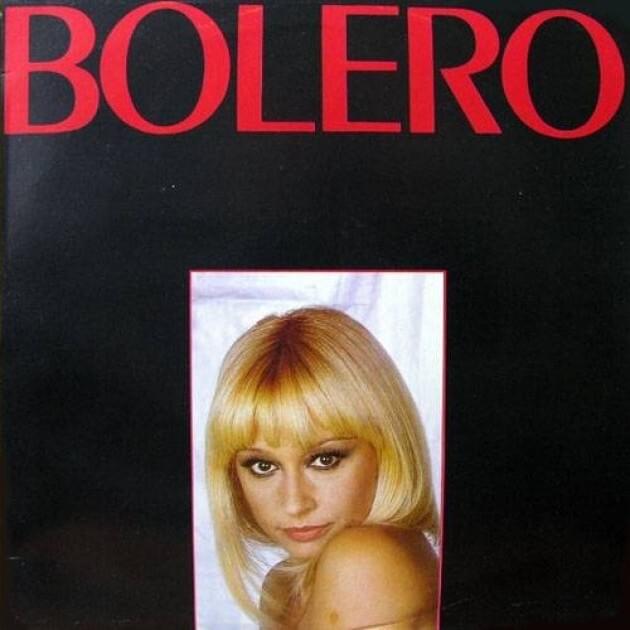
 View Artist