Song Meaning
This song paints a vivid picture of homesickness, a deep ache for a homeland left behind. The narrator feels a profound nostalgia for a past where their mother was present, a time now tinged with the sadness of separation. The imagery of a "stellata notte" (starry night) sets a melancholic yet beautiful stage for a heartfelt serenade directed towards their "casetta mia" (my little house).
The central tension lies in the powerful pull of "Romagna mia" versus the narrator's current absence. The land is personified as a source of "amore" (love) and a guiding "stella" (star), making the desire to return almost unbearable. This longing is specifically tied to a "casolare" (farmhouse) and a "bella" (beautiful one), grounding the abstract love for the region in personal relationships and a specific place.
The lyrics repeatedly emphasize the impossibility of being truly content away from Romagna, stating "Lontan da te non si può star" (Far from you one cannot stay). This refrain underscores the inescapable nature of the narrator's homesickness. The direct address to "Romagna mia, Romagna in fiore" (My Romagna, Romagna in bloom) imbues the region with life and vitality, making the separation feel like a loss of something essential and vibrant.
Ultimately, the song's effectiveness comes from its simple, direct emotional language and its clear focus on place and personal connection. The repetition of the desire to return "Dalla mia bella al casolare" creates a powerful, almost primal yearning that resonates deeply, capturing the universal feeling of wanting to be home.
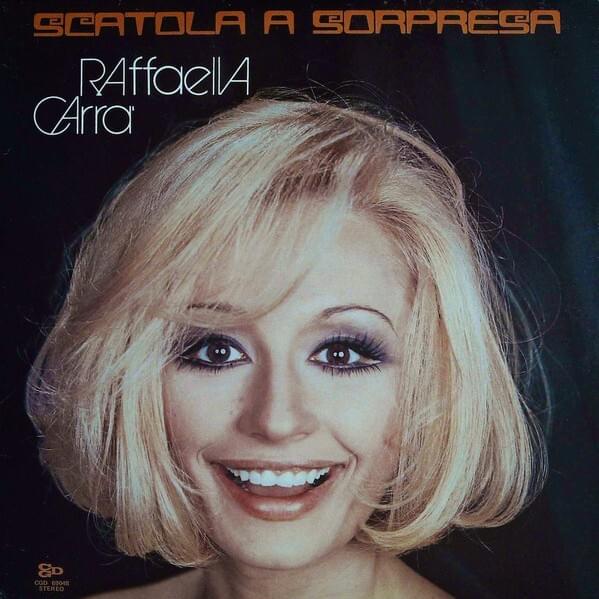
 View Artist