Song Meaning
The lyrics to "L'Uomo Ideale" paint a picture of intense admiration, almost a surrender. The speaker confesses, "Farei meglio a non dirtelo," immediately hinting at a secret pleasure. This sets up a dynamic where the "ideal man" holds significant sway. The dominant emotion is one of deep affection and being utterly captivated.
While the speaker clearly adores this "ideal man," a subtle tension emerges. Phrases like "non riesco a resisterti" suggest a powerful, perhaps overwhelming, attraction. The man's charm is specific, with "frasi che toccano" indicating a deep understanding of the speaker. Yet, this intense connection seems to come with a cost, as the speaker admits, "Faccio sempre come vuoi tu / Anche se non la mando giù." This reveals a hidden compromise, a part of the speaker that isn't fully aligned despite the outward devotion.
The most striking craft element is the juxtaposition of effusive praise with these moments of quiet resignation. The repeated declaration, "Tu, il mio uomo ideale," anchors the adoration, reinforced by the vivid simile, "Sei come un vento di mare / Che soffia su di me," suggesting a natural, pervasive, and perhaps uncontrollable influence. However, the bridge directly undercuts this perfection with the admission "non la mando giù" and the surprising "È troppo facile così." This creates a fascinating internal conflict, implying that even an "ideal" connection can involve personal sacrifice or a lack of challenging depth for the speaker.
These lyrics are effective because they move beyond simple romantic idealization. By weaving in lines like "non la mando giù" and "È troppo facile così," the writer crafts a more nuanced portrait of love. It's not just about finding the perfect partner; it's about the complex internal experience of being in that relationship. The listener is left to ponder the unspoken implications of these subtle admissions, making the "ideal man" a figure both adored and, perhaps, subtly questioned by the speaker's own unexpressed needs.
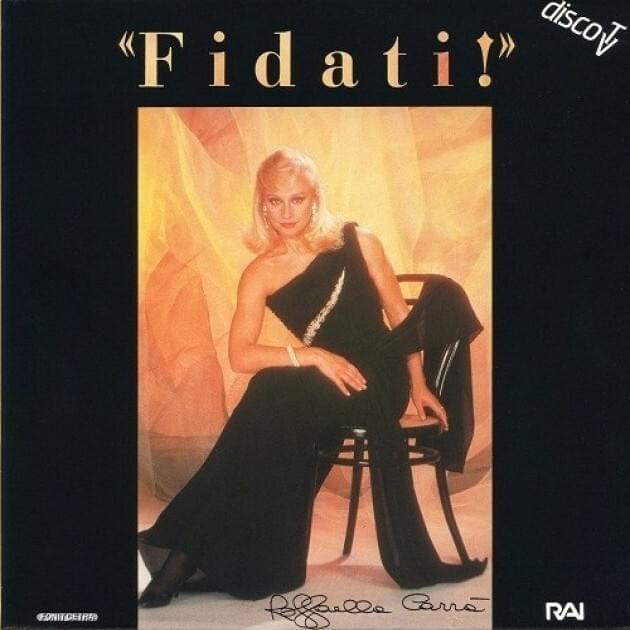
 View Artist