Song Meaning
The lyrics paint a stark picture of sudden, senseless loss. The narrator recounts a violent street clash that resulted in the death of his innocent wife and child, a tragedy that quickly faded from public memory, becoming just another headline. This immediate contrast between the magnitude of the personal devastation and the swiftness of societal forgetting fuels a profound sense of injustice and disbelief. The opening questions, "Söyleyin bir insan canı bu kadar ucuz mu / Yaşamak bu kadar basit, kolay mı" (Tell me, is a human life this cheap? / Is living this simple, easy?), directly confront the perceived cheapening of life and the ease with which suffering is dismissed.
The core of the narrator's anguish lies in his refusal to accept fate or destiny as an explanation for his loss. The repeated, defiant cry of "Kader, talih demeyin, dinlemem / Verin onları bana geri, anlamam" (Don't say fate, destiny, I won't listen / Give them back to me, I won't understand) underscores this rejection. He demands the impossible, not out of delusion, but as an expression of his utter inability to reconcile the reality of their absence with any abstract notion of inevitability. This isn't a plea for understanding; it's a raw, guttural rejection of the circumstances.
The second verse shifts to a dreamlike state, offering a fleeting, almost cruel, vision of peace and reunion. Birds in the bed, roses in the room, and his wife looking in through the window create a potent, ephemeral image of what was lost. However, this dream offers no solace; it only intensifies the pain upon waking, leading to hours of weeping. The contrast between the dream's beauty and the waking reality of "acılar içinde" (in pain) is a powerful testament to the depth of his grief and the lingering trauma.
Ultimately, the lyrics resonate because they articulate a primal scream against the arbitrary cruelty of life and the indifference of the world. The narrator's "isyan ediyorum" (I am rebelling) is not just against his personal tragedy but against a system or a reality that allows such profound loss to occur and then be so easily forgotten. The raw, unvarnished language and the direct confrontation with fate make this a powerful expression of grief and defiance.
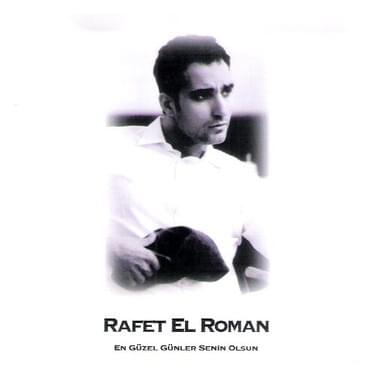
 View Artist