Song Meaning
The lyrics paint a stark picture of persistent loneliness, opening with the dawn of a new day that only highlights the absence of a loved one. The narrator's heart, described as "zavallı gönlüm" (poor heart), has resigned itself to this solitude, a state of being "mahkumum yalnızlığa" (imprisoned by loneliness). This feeling isn't fleeting; it's a recurring theme, mirroring the cycle of days, from sunrise to sunset.
The central tension lies in the desperate plea for return, a stark contrast to the resigned acceptance of loneliness. The narrator is "yapayalnız yaşıyorum" (living all alone), confronting their own "ruhumla baş başa" (face to face with their soul) in the "karanlıklar içinden" (from within the darkness). This internal struggle culminates in a final, desperate cry: "Dön, dön bebeğim ne olursun / Dön, dön kollarıma" (Come back, come back my baby, please / Come back, come back to my arms).
The repetition of key phrases like "yeni bir gün doğuyor" (a new day is dawning) and "yine yoksun yanımda" (you are again not by my side) emphasizes the cyclical and inescapable nature of this pain. The imagery of daybreak and sunset, usually associated with new beginnings or endings, here only serves to underscore the constant void. The repeated "zavallı gönlüm" (poor heart) personifies the narrator's emotional state, making the pain feel like a tangible, suffering entity.
This writing is effective because it grounds profound emotional distress in simple, relatable imagery of daily life and direct, raw appeals. The contrast between the resigned acceptance of loneliness and the urgent, almost primal cry for the loved one's return creates a powerful emotional arc. It's this raw vulnerability, expressed through the cyclical rhythm of days and the direct address, that makes the narrator's isolation and longing so palpable.
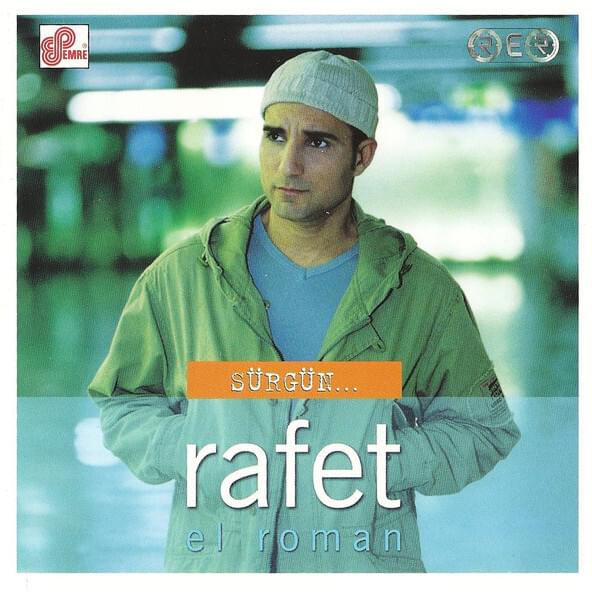
 View Artist