Song Meaning
The lyrics paint a stark picture of profound emptiness and a desperate search for meaning. The narrator begins by "hanging thoughts on the walls" and getting lost in "sensory doubts," a vivid image of intellectual and emotional clutter. The repeated search for "yesterday's change" in pockets suggests a futile attempt to reclaim lost time or value, emphasizing a present state of destitution. This initial scene establishes a tone of disorientation and a deep-seated feeling of being lost.
The central tension lies in the narrator's identity crisis and the overwhelming void within. They lament, "I'm not always been nobody," implying a past self that held more substance, now lost. The core struggle is articulated in the recurring line, "Nobody who can fill the void that is in me." This void is so immense that it renders the narrator "nobody," creating a cyclical trap where the absence of external validation or connection solidifies their lack of self.
The writing employs striking metaphors to convey this internal desolation. The image of "trying to fix a point at the bottom of the sea" perfectly captures the impossibility of finding solid ground or clarity amidst overwhelming depth and darkness. Similarly, sifting through "shards of memory" and "pieces of a story lost inside me" highlights the fragmented nature of their past and the difficulty in reconstructing a coherent self. The sudden "déjà vu" upon seeing a photo introduces a flicker of hope, a potential anchor in the form of a specific person.
This shift towards a singular "you" who "can fill the void" is what makes the lyrics so potent. The desperation transforms into a focused plea, suggesting that external connection is the only perceived salvation from this existential emptiness. The final assertion, "everyone has something or someone to forget," adds a layer of shared human experience to the narrator's specific pain, but ultimately, their focus remains on this one individual as the sole solution to their profound sense of being "nobody."
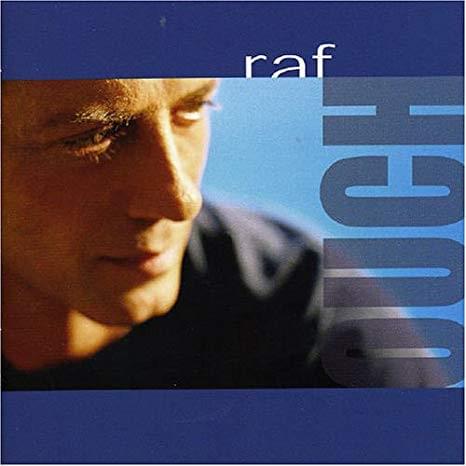
 View Artist