Song Meaning
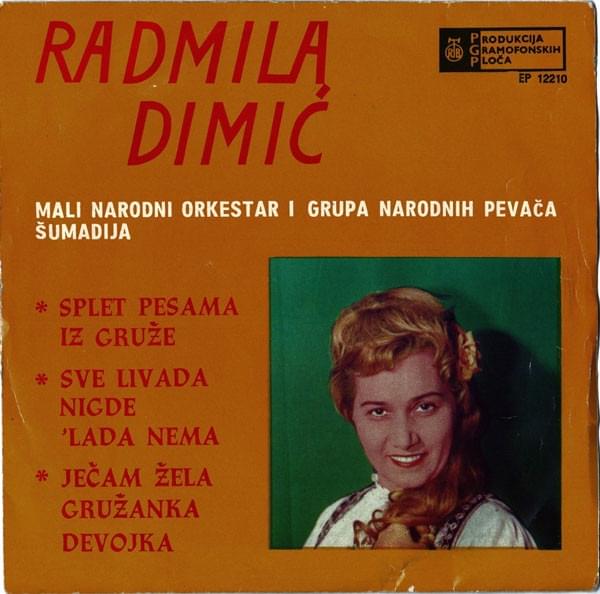
This song paints a stark picture of labor and loss, centered on a young woman from Gruž. The repetitive opening lines, "Ječam žela, ječam žela / Gružanka devojka," immediately establish a rhythm of work, emphasizing the act of harvesting barley. The repetition isn't just for musicality; it underscores the relentless nature of the task, suggesting a life defined by this agricultural labor.
The lyrics then shift to describe the barley itself as "Seme plemenito," noble seed, highlighting its value and potential. This elevates the act of harvesting beyond mere toil, framing it as the cultivation of something precious. However, this sense of purpose is immediately undercut by the narrator's lament: "Ja te žela, ja te žela / Al' ja te ne jela." The narrator harvested the barley but did not get to eat it, creating a poignant contrast between effort and reward.
The final stanza delivers the devastating blow. The noble seed, so carefully harvested, was consumed by "Svatovski te / Konji pozobali" – wedding horses. This image is particularly sharp; the horses, associated with celebration and procession, have destroyed the fruits of the narrator's labor. It suggests that the harvest, intended for sustenance or perhaps a dowry, was lost to an event that should have been joyous but instead represents ruin.
The effectiveness of these lyrics lies in their stark simplicity and the devastating emotional arc they create through minimal language. The contrast between the noble seed and its consumption by wedding horses, coupled with the narrator's personal loss of the harvest, creates a powerful sense of futility and sorrow. The song captures a moment where hard work is undone, leaving only the echo of labor and the bitter taste of what might have been.
 View Artist