Song Meaning
The lyrics paint a stark picture of a figure emerging from prolonged suffering, driven by a singular, destructive purpose. "Two decades he wandered" sets a tone of deep, sustained hardship, a world defined by "depression and tyranny." This isn't a fleeting anger; it's a slow burn, a period of patient observation and calculation. The narrator appears to have meticulously "ciphered and plotted" a "hostile take over," suggesting a strategic, almost cold-blooded approach to enacting vengeance or change. The world is positioned as a passive observer, destined to "witness a predacious crusade."
The central tension lies in the justification for this impending destruction. The lyrics explicitly state the motive isn't material gain ("Not in search of abundance") or recognition ("Not hoping for reverence"). Instead, the driving force is presented as "The radical truth is our crucial redemption." This elevates the act from mere violence to a perceived necessity, a painful but essential cleansing. The ruling of this figure is framed as "inevitable," a force of nature rather than a choice, culminating in the chilling declaration, "He will annihilate."
The most striking aspect of the craft is the juxtaposition of immense suffering with an almost messianic, albeit terrifying, purpose. The repetition of "Annihilate" acts as a relentless drumbeat, underscoring the finality and inescapable nature of the promised event. The phrase "radical truth" is presented as the core tenet, a belief system so potent it justifies utter destruction. This creates a disquieting effect, forcing the listener to confront the idea that profound pain can birth an ideology that sees annihilation as salvation.
This lyrical construction is effective because it grounds an extreme act in a deeply personal, albeit abstract, justification. The narrative of long-term suffering makes the eventual eruption feel earned, while the framing of the act as "crucial redemption" adds a layer of disturbing conviction. The lyrics don't ask for sympathy for the perpetrator but present their worldview as a consequence of their experience, making the impending "annihilation" feel both horrifying and, within the logic of the song, tragically inevitable.
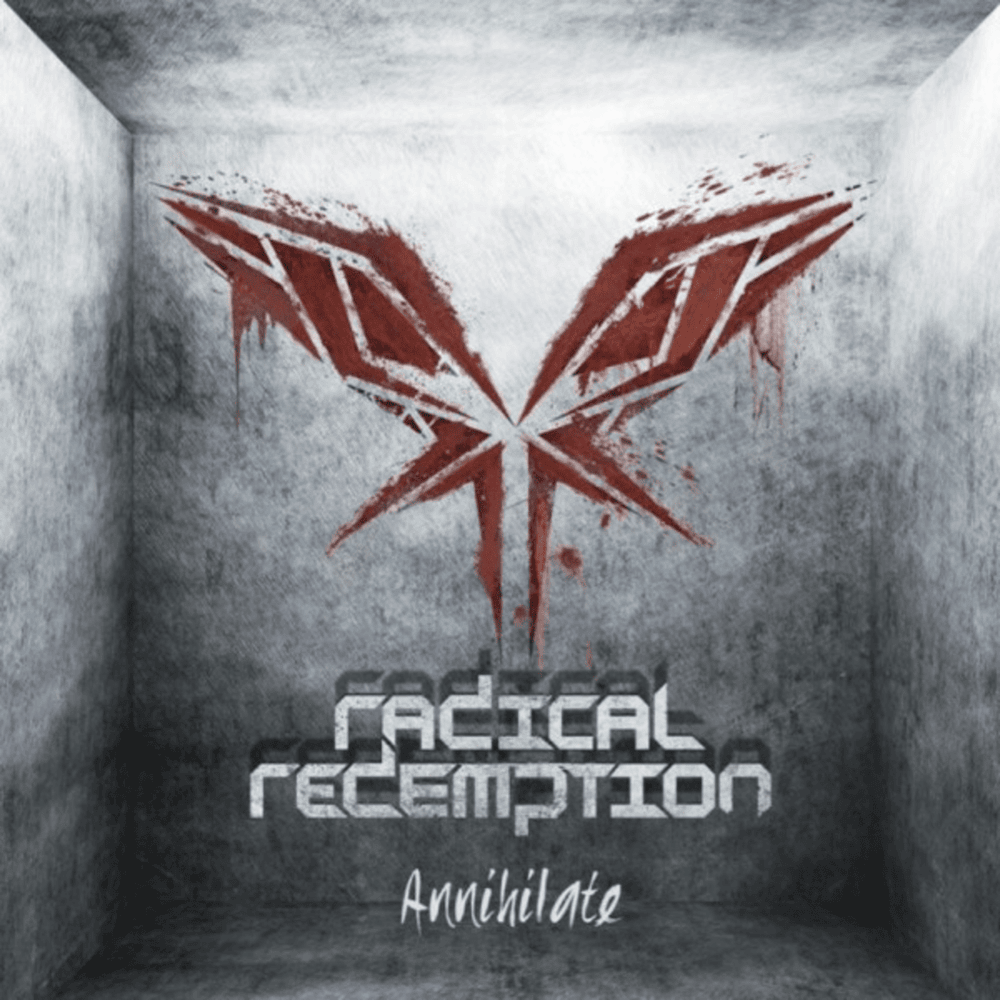
 View Artist