Song Meaning
The lyrics paint a disorienting picture of waking up in bizarre, fragmented realities. The narrator drifts from falling asleep by the fireplace to finding themselves in the kitchen sink, then in a cupboard with scrapes and a "mouthful of hell." This surreal displacement suggests a profound internal disconnect, a feeling of being lost within one's own life and home, where even familiar objects like an umbrella become useless and damaged. The repeated pattern of falling asleep and waking up somewhere unexpected underscores a loss of control and a disturbing lack of self-awareness.
The dominant tension arises from the stark contrast between past aspirations and present reality. A "picture on the mantlepiece" captures a hoped-for future, but the narrator laments, "this shares no resemblance to that at all." This creates a palpable sense of disappointment and disillusionment, as the life being lived is a far cry from the one envisioned. The imagery of "chains are rattling in the attic again" and "dust has settled over everything" further amplifies this feeling of stagnation and decay, hinting at unresolved issues or a lingering past that continues to haunt the present.
A striking element of the craft is the juxtaposition of domestic, almost mundane settings with nightmarish experiences. Waking up in a "kitchen sink" or a "cupboard" is unsettling precisely because these are ordinary places. This grounds the surrealism in a relatable domestic sphere, making the narrator's disorientation feel more immediate and disturbing. The act of "tore the dreams from my head and tossed them in the flames" is a powerful, visceral image of rejecting past hopes, with the "smoke smelled like my past" and stung the eyes, yet the narrator remained "too stubborn to blink." This stubbornness, even in the face of pain, highlights a desperate attempt to confront and purge the past.
The effectiveness of these lyrics lies in their ability to evoke a deep sense of internal chaos and the struggle to break free from a self-destructive cycle. The narrator's journey from passive disorientation to an active, albeit painful, confrontation with their dreams and past dreams culminates in a moment of clarity: "I slept inside the piano 'til the rain was gone / And I woke up when I saw the sun." This suggests a hard-won awakening, a realization that change requires enduring discomfort and facing the harsh light of reality. The final lines, "And I feel you scrub my skin / And I was happy to fade," introduce an ambiguous surrender, perhaps to a new understanding or a final release from the struggle.
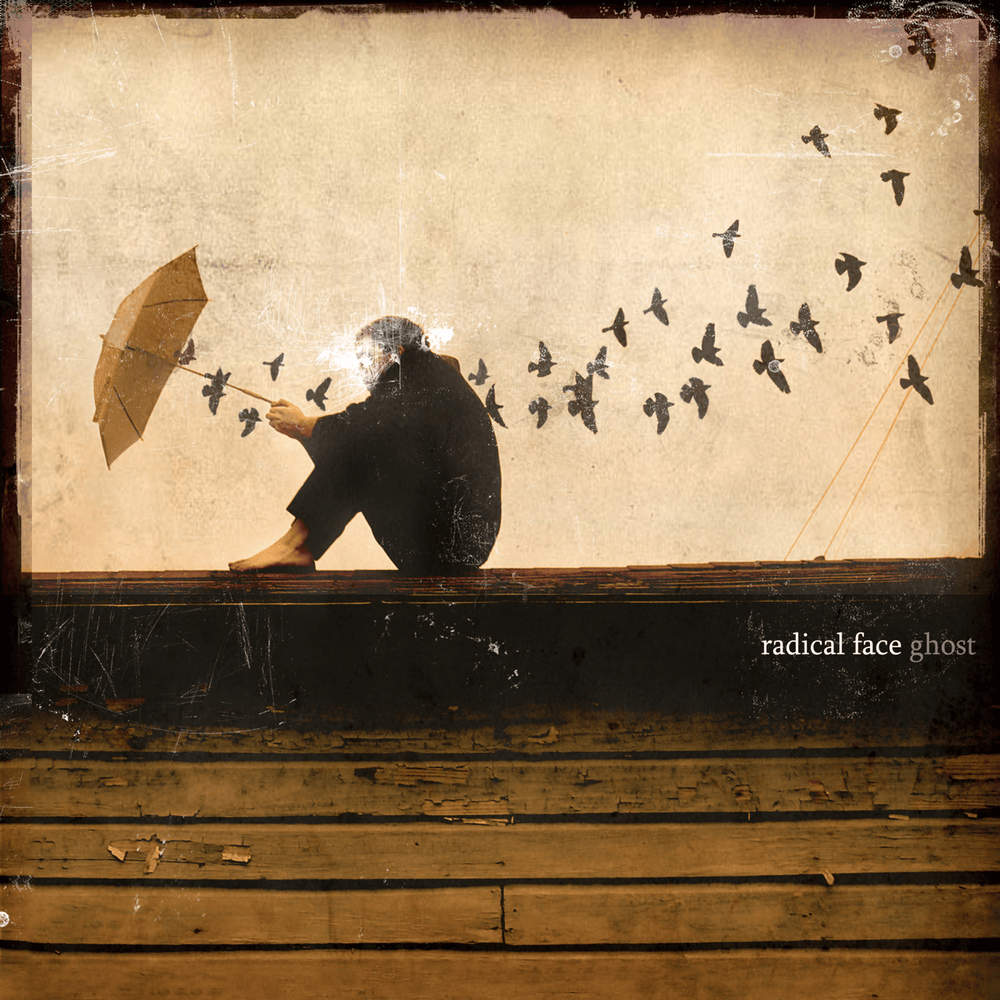
 View Artist