Song Meaning
The lyrics open with a stark, almost biblical contrast. God creates beauty and love, while man brings decay and betrayal. The speaker exists in this harsh reality. They are simply trying to survive in what they call "inferno."
This immediate dichotomy between "Deus fez" and "O homem me deu" establishes the central tension. It's a cosmic battle playing out in a very specific, gritty urban landscape. The divine gifts are expansive and life-affirming. In sharp contrast, humanity's legacy is a litany of destruction: a world of favelas, crack, betrayal, weapons, and vice.
The most striking image arrives with the speaker's self-description. They possess a "Bíblia véia," a worn book suggesting a clinging to faith or tradition, perhaps a desperate hope. This stands in stark contrast to the automatic pistol they also hold, speaking to immediate, violent self-preservation. These two objects, along with a profound feeling of revolt, embody the impossible choices and moral compromises of their environment.
The power of these lyrics lies in their unflinching directness and raw emotional honesty. The simple, declarative sentences and unvarnished word choices paint a vivid picture of a world where spiritual solace and brutal necessity collide. The speaker's final declaration, "sobreviver no inferno," isn't a lament, but a defiant statement of purpose, making the listener feel the weight of their desperate, ongoing struggle.
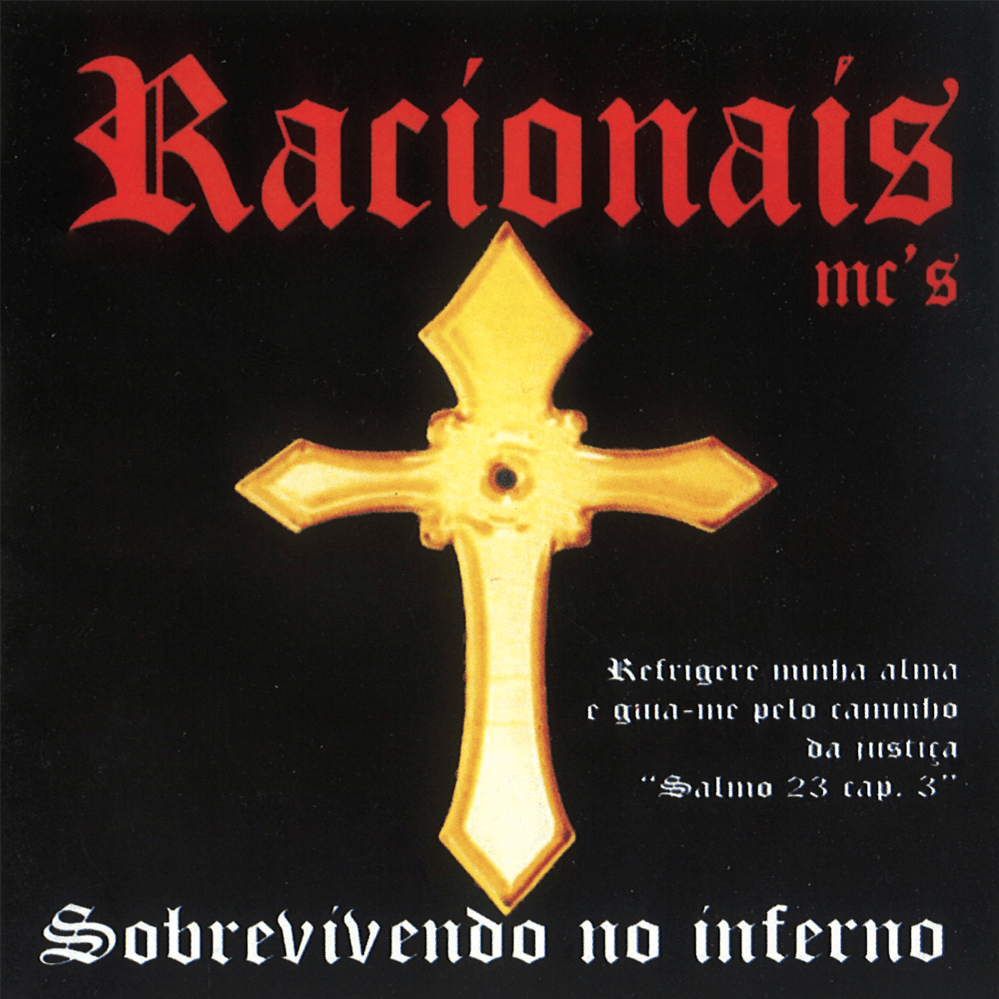
 View Artist