Song Meaning
The lyrics paint a stark picture of a relationship teetering on the edge, framed by a sense of impending doom. The opening imagery of "cigarette ashes burn red" but falling "like snow" immediately establishes a striking contrast between destructive heat and a cold, inevitable descent. This sets a tone of beautiful decay, where even the end of the world feels like a natural, almost poetic, event. The narrator seems to be observing this with a detached, yet profound, awareness of finality.
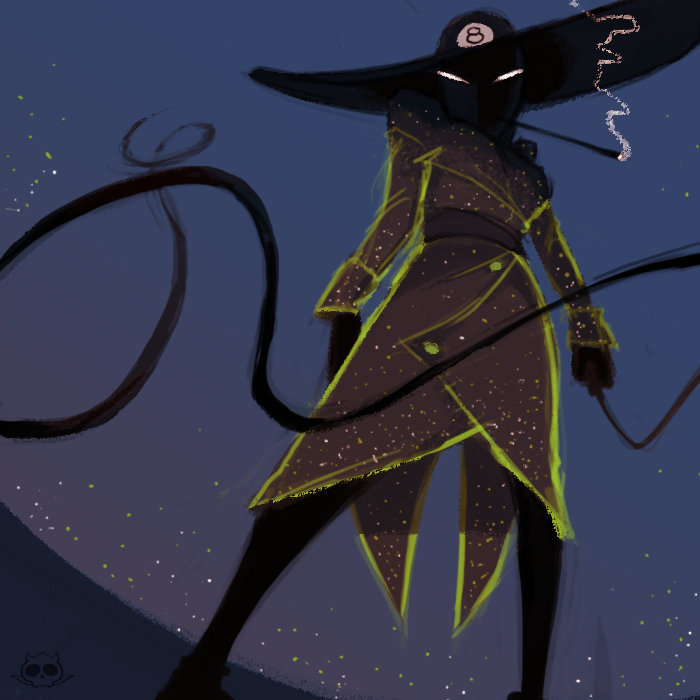
The narrative introduces a powerful, enigmatic figure: "A slick black queen / In a slick black coat." This woman is presented as self-possessed and aware of her own allure, owning her space in what is described as a "cold, cold world." The lyrics emphasize her independence and control, stating "This world is hers and hers alone." This powerful persona seems to be the object of the narrator's intense focus, embodying a kind of magnetic force that commands attention and perhaps even fear.
The core tension emerges in the shifting perspectives of "your" and "my" universe. Initially, the "slick black queen" is declared "your universe," suggesting she is the center of someone else's existence. However, the narrator then claims this title for herself: "I'm your girl / I am your world / I am your universe." This dramatic shift implies a complex dynamic of possession and assertion, where the narrator is either stepping into the queen's role or directly confronting the person who holds her as their universe. The phrase "You loathe me so and you love it" perfectly captures this push-and-pull, a mutual fascination with destructive tendencies.
The lyrics' effectiveness lies in their sharp, almost cinematic, imagery and the raw emotional honesty of their contradictions. The narrator's declaration, "Our love was hot, but I was cold," followed by the chilling revelation that the other person "shot" when she said "draw," reveals a relationship built on a dangerous, perhaps even violent, understanding. The finality of "I was your universe" in the last chorus, juxtaposed with the earlier "I'll miss you so when I'm gone," underscores a profound sense of loss and the lingering impact of a relationship that was both intensely felt and ultimately destructive.
 View Artist