Song Meaning
The narrator looks back on a period spent on "Trophy Street" with a heavy dose of regret, realizing it was a time of isolation and missed connections. The core sentiment is the wasted potential of youth, marked by staying indoors while peers engaged in more outward, perhaps destructive, activities. This street, meant to signify achievement or belonging, instead became a symbol of loneliness and unfulfilled social needs.
The central tension lies between the desire for connection and the reality of isolation. The narrator admits to wasting time, failing to make nearby friends, and choosing solitude over shared experiences. This passive withdrawal contrasts sharply with the destructive, cathartic energy described in the second verse, suggesting a yearning for intense, albeit negative, shared moments as an alternative to quiet emptiness.
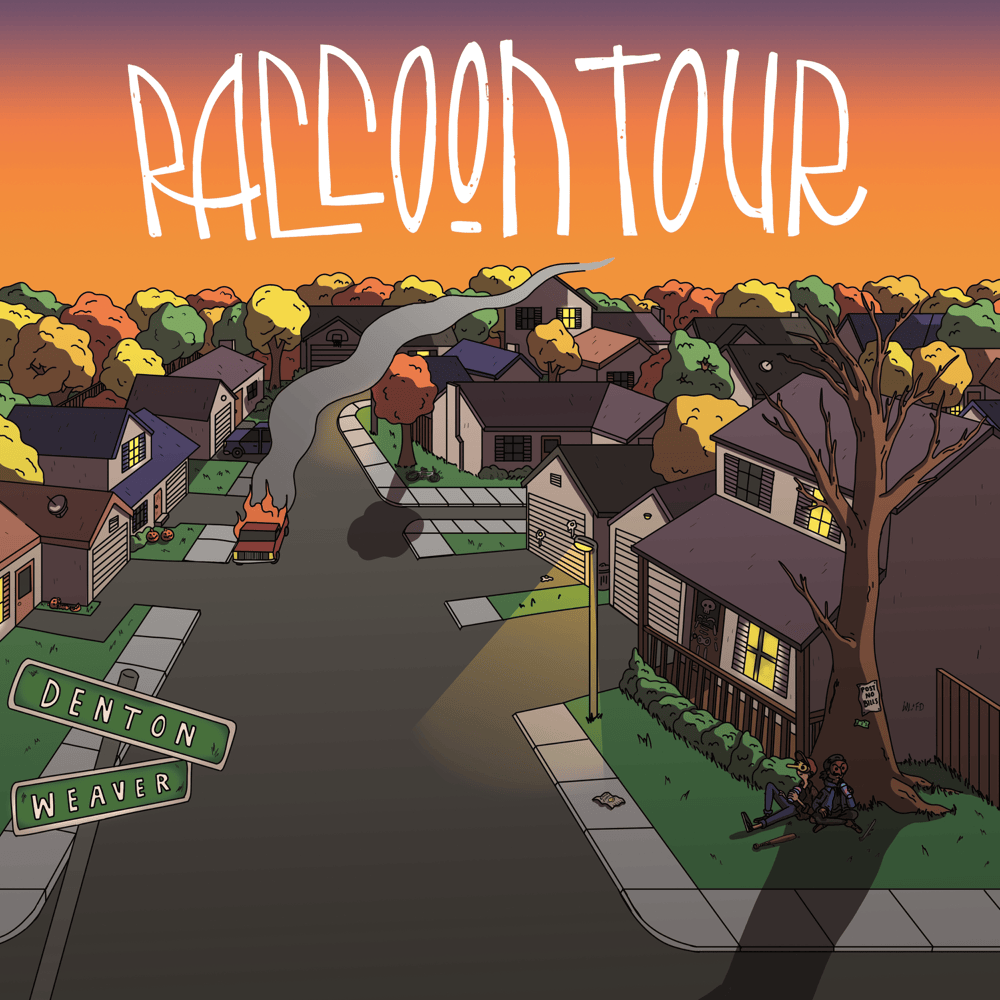
The lyrics employ a stark contrast between internal stagnation and external chaos. While the narrator "stayed inside all day," their friends were "getting high," a clear divergence in experience. This internal quietude is then juxtaposed with the violent, almost ritualistic destruction of a car with "baseball bat and your dad's crowbar." The imagery of a "big bonfire" and "ten foot flames" offers a powerful, albeit destructive, release that the narrator seems to envy.
This juxtaposition makes the lyrics hit hard by highlighting the painful irony of isolation. The narrator's passivity on "Trophy Street" is amplified by the vivid depiction of their friends' potentially reckless but shared experiences. The regret stems from choosing inaction, a choice that ultimately yielded no positive outcomes, only the memory of time lost and a desire for even destructive shared moments.
 View Artist